Ukkattha Fest 2025 Report
Remembering|Reclaiming|Rejoicing
Introduction: An Overview of the Event
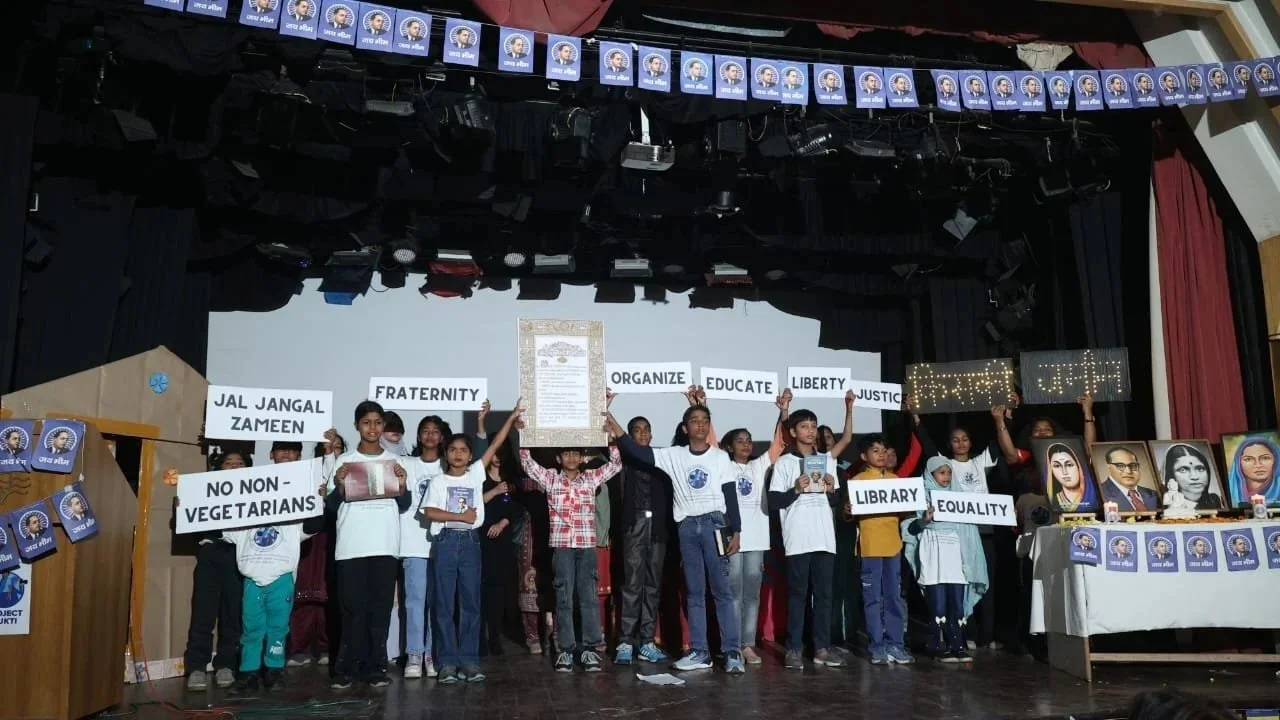
Project Mukti (Ukkattha Foundation) recently celebrated its fourth Annual cultural event, UKKATTHA, on December 14, 2025, at Muktadhara Auditorium, New Delhi. The motto of Ukkattha Fest is to “Remember, Reclaim and Rejoice” the contributions of our ancestors who fought against the caste system to give us dignity and equal rights. It is a celebration of Excellence, an opportunity for our young learners to connect with their histories that have been and continue to be erased.
The theme for Ukkattha 2025, “Reclaiming Land,” explored questions of ownership, belonging, and justice beyond geography or property. Engaging with histories of caste, displacement, gendered labour, religion, and class, learners used dance, theatre, and music to reflect on land as a site of memory, dignity, and livelihood.
The fest also marked two milestones: the graduation ceremony of Maths learners and the launch of the first storybook by the Blue Blooms/Education team, celebrating perseverance and amplifying historically silenced voices.
The event unfolded with the playing of Buddha Vandana, a hymn embodying the ethos of equality and mindfulness, sung and recorded by the Director, Sanghapali. This was followed by the ritualistic offering of flowers and the lighting of candles by the guests of honour in front of the portraits of seminal anti-caste leaders: Babasaheb Dr B.R. Ambedkar, Ramabai Ambedkar, Fatima Sheikh and Kranti Jyoti Savitribai Phule. These acts carried profound symbolic meaning, representing a collective acknowledgement of their contributions to dismantling caste oppression and asserting the agency of marginalised communities. Project Mukti was honoured to welcome distinguished guests of honour whose contributions have significantly improved society.
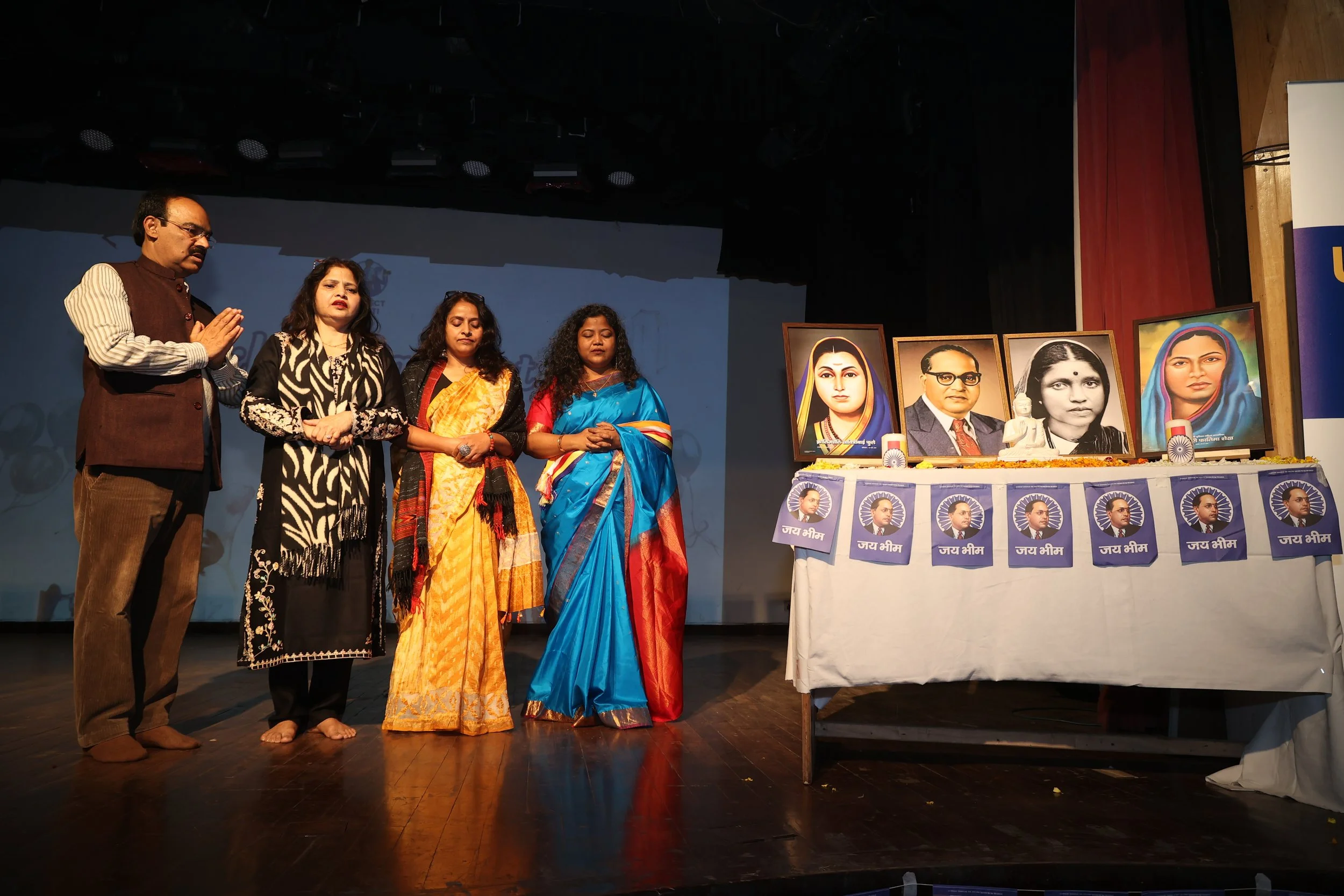
Dr. Raj Kumar is a respected professor of Political Science at Dayal Singh College, University of Delhi. Dr Kumar is a respected Dalit intellectual and a national voice on social justice and inclusive public policy. Through his mentorship of first-generation learners, especially at the Ambedkar Academy, he has supported countless learners from marginalised communities in pursuing higher education and leadership.
Bimla Vishwapremi is a courageous leader and the guiding force behind the Parvatiya Mahila Vikas Trust. From challenging patriarchal norms in her village to advocating nationally for women farmers, forest rights, and gender equality, she has supported over 2,000 women towards greater stability and dignity.
Dr Vinita Rani is a Professor at the University of Delhi with over 24 years of experience in teaching Hindi literature. A distinguished academic, poet, and social activist, her work reflects deep sensitivity toward Dalit, Adivasi, and women’s issues, and continues to inspire through scholarship and community engagement.
Aasif Mujtaba, an alumnus of Aligarh Muslim University and IIT Delhi, is the Founder and CEO of the Miles2Smile Foundation, working on relief and rehabilitation for survivors of violence and injustice. As Director of Sunrise Public School and Vice President of IMAN (Indian Muslim Association of NGOs), he supports education, community healing, and collaboration among Indian Muslim NGOs.
The event was attended by approximately 180 people, including outstation parents, government officials, prominent educators, activists, college and university learners, friends, volunteers, and members of the Ukkattha Foundation team.
Event Highlights: Key Moments
Ukkattha 2025 emerged as a dynamic celebration of critical thinking, resilience, and social awareness, offering a diverse array of performances and activities that thoroughly engaged the audience. The learners presented an impressive showcase, exemplifying their dedication, creativity, effective communication, enthusiasm, and collaborative teamwork.
This year, new elements were added to theUkkattha,which included a Book Launch and a Graduation Ceremony. Also, for the first time, the Project Mukti team performed on the stage in a Die-in performance. These moments symbolised knowledge, growth, and continuity, reinforcing the event’s commitment to education, empowerment, and long-term social change.
Book Launch at the Ukkattha Event
As part of the Ukkattha Event, we proudly launched our first publication titled A Visit to the Monastery, marking an important milestone in our educational journey.
The book has been thoughtfully written by Shivangni Singh, Curriculum Developer, and beautifully illustrated by Divya Dominic Rodricks, with valuable support from Daniya Tabassum, Manager – Education Program, and Sanghapali Aruna, Founder & Executive Director – Project Mukti. This collaborative effort reflects our shared commitment to creating meaningful learning resources.
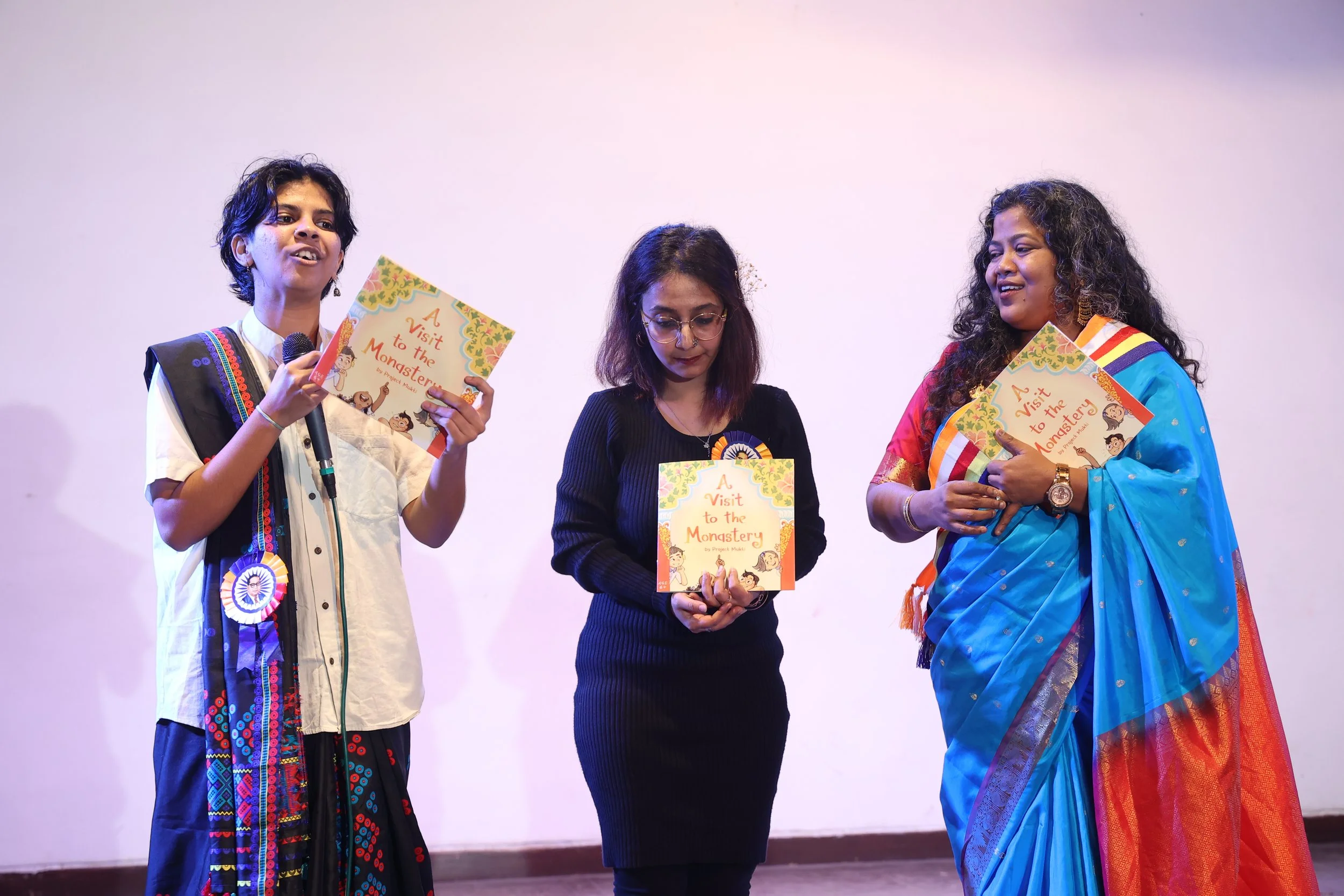
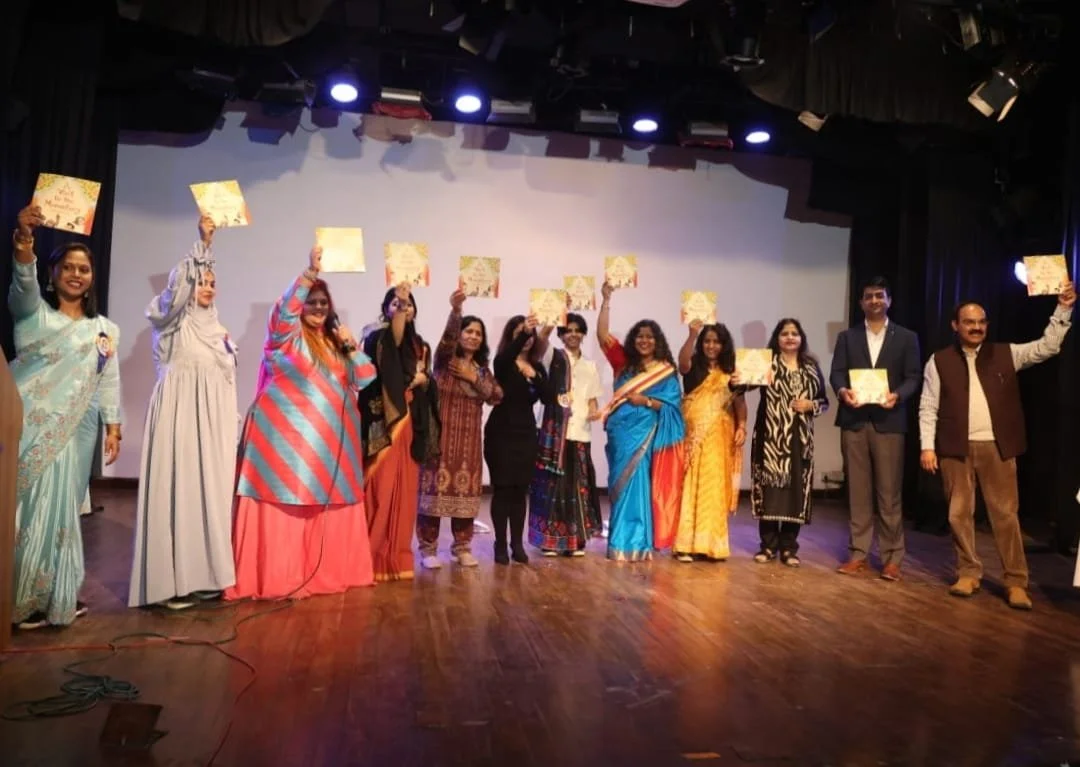
The book launch was conducted with great enthusiasm and warmth in the presence of our Guests of Honour, including Dr Raj Kumar, Dr Vinita Rani, Bimla Vishwapremi and Aasif Mujtaba, along with our Founder & Executive Director, Sanghapali Aruna and members of the Project Mukti Team. Their presence and encouragement added immense value to the occasion.
This publication aligns closely with our vision of developing simple, relatable, and culturally rooted stories that reflect the lived realities of the communities we work with, making learning accessible, engaging, and meaningful for children.
Celebrating the Graduation of Mathematics Learners
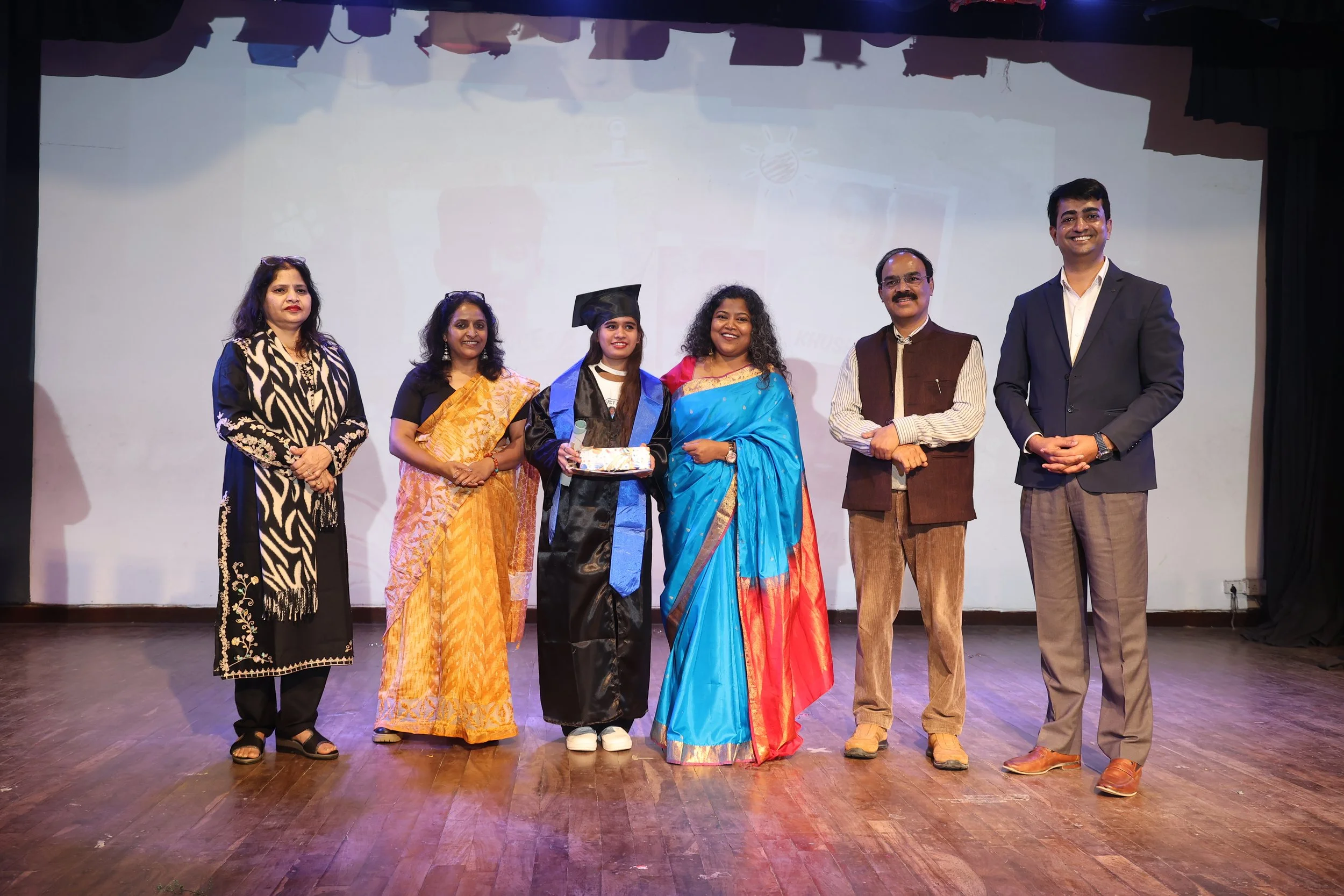
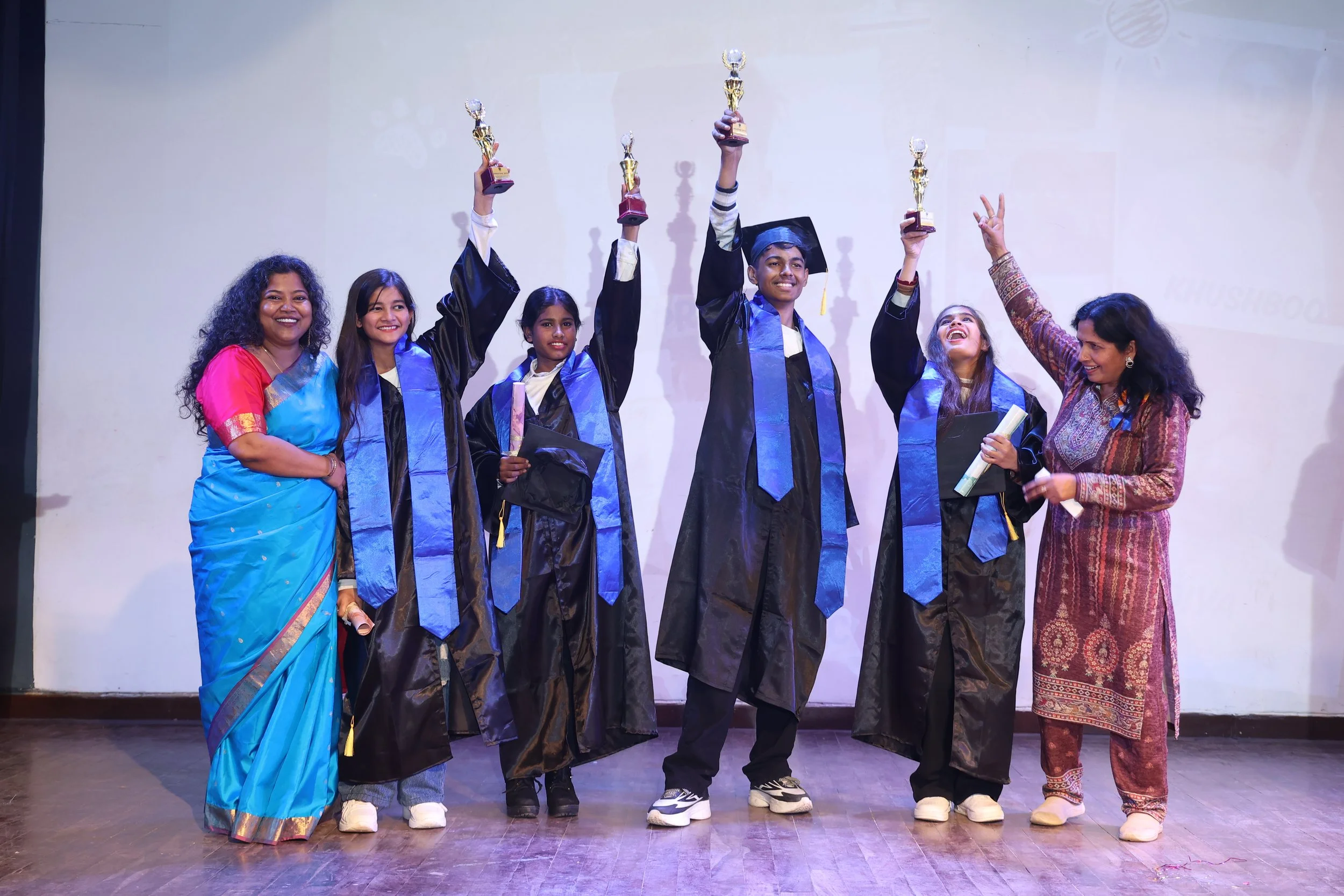
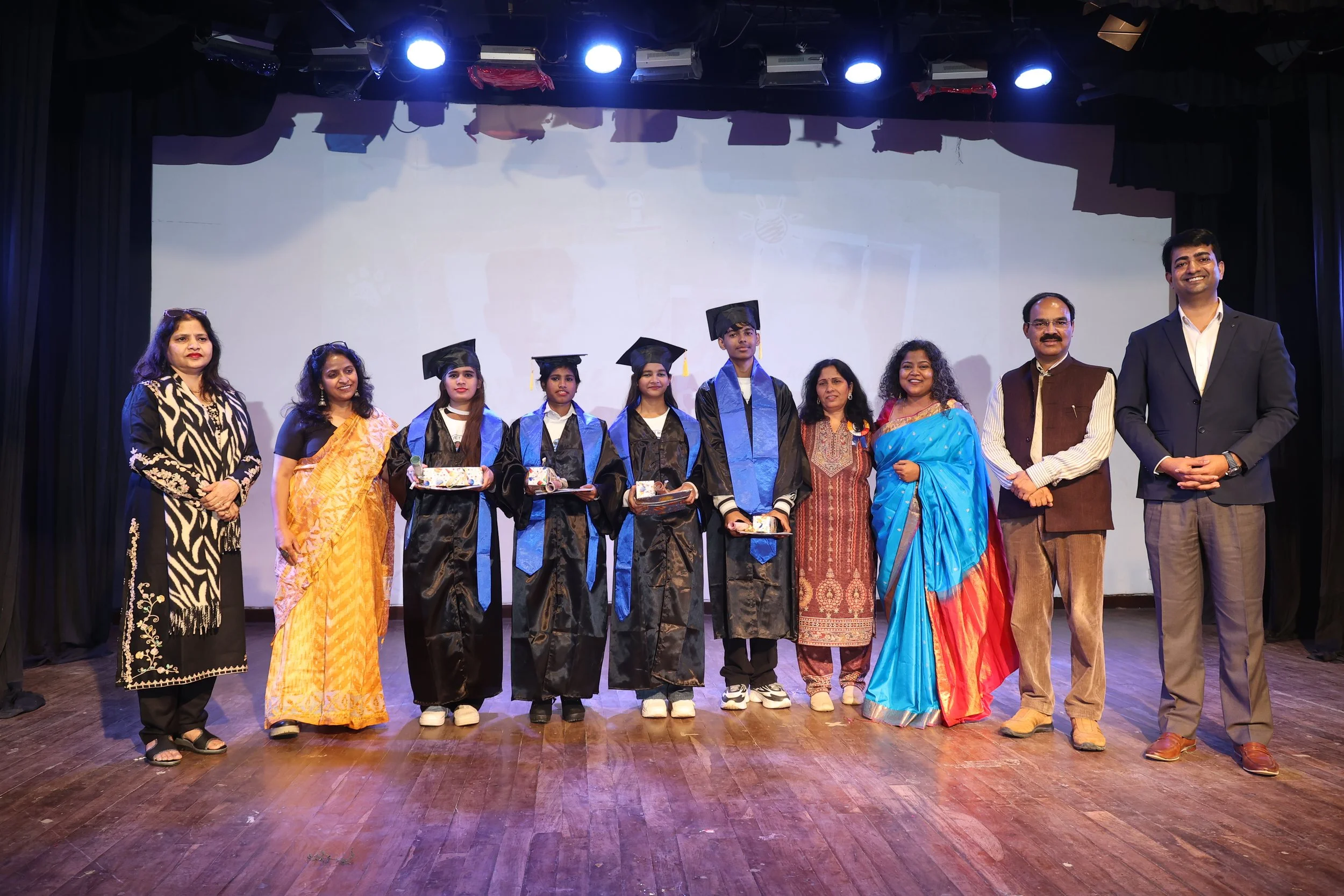
One of the most defining moments of this year’s Ukkattha was the farewell and graduation of Maths learners, a milestone that signified far more than academic completion. The farewell ceremony was thoughtfully curated, with learners dressed in formal gowns, marking the occasion with dignity and pride. Their journeys reflect not individual ‘success stories’ alone, but the importance of sustained mentorship and community-based learning spaces that made these journeys possible.
Die-in Performance: Voices of Women and Resistance
As part of the Ukkattha Event, a powerful Die in performance was presented to highlight the lived realities, struggles, and systemic violence faced by women across different regions, both nationally and internationally.
This act portrayed the experiences of women affected by displacement, atrocity, conflict, caste-based violence, and state oppression, emphasising how women are often the primary victims of injustice in every struggle related to land, identity, and power.
The performance was conceptualised and performed by the Project Mukti team, and was narrated by Gurveen Khanuja and Iram Jahan, interwoven with deeply moving poetry by Mahmud Darwish, the renowned Palestinian poet and author. The use of poetry added emotional depth and global resonance to the act.
This Die-In Performance served as a strong medium of awareness, drawing attention to how, across geographies and histories, women continue to face violence, silence, and erasure—yet remain symbols of resistance and courage.
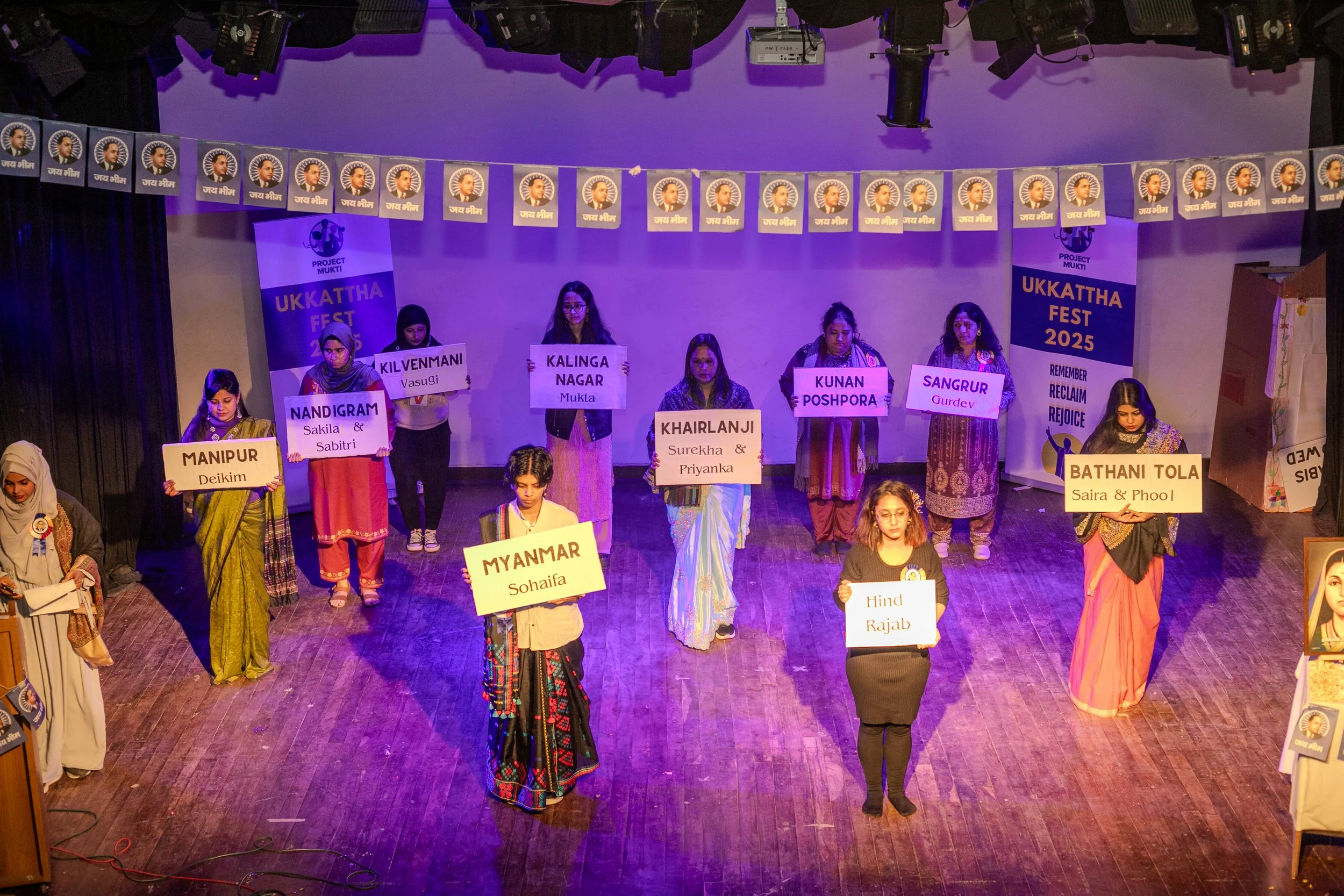
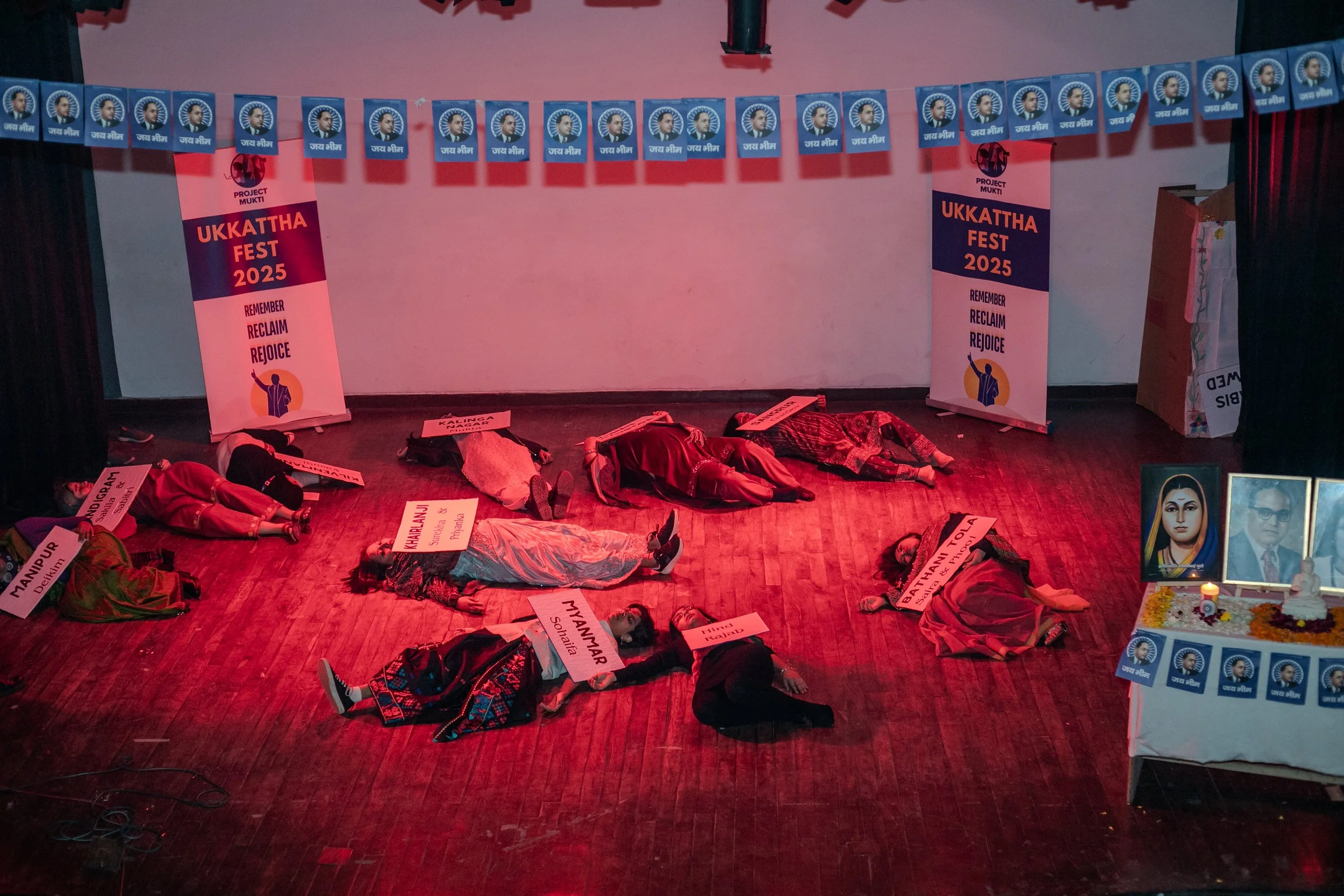
Through this act, the performance paid tribute to women from both International and National contexts, including: Women represented in the Die-In Performance are Palestine: Hind Rajab, Maharashtra (Khairlanji): Priyanka and Surekha, Myanmar: Sohaifa, Manipur: Deikim Simte, Kashmir (Kunan Poshpora): survivors of Kunan Poshpora, Bihar (Bathani Tola): Saira Khatoon and Phool Kumari, Tamil Nadu (Kilvenmani): Vasugi, Odisha (Kalinga Nagar Massacre): Mukta Bankira, West Bengal (Nandigram): Sakila Bibi and Sabitri Bijoli, Punjab (Sangrur): Gurdev Kaur.
The performance stood out as one of the most impactful segments of the event, leaving the audience reflective and emotionally moved, while reinforcing the urgent need to recognise, remember, and resist violence against women everywhere.
Learner’s Performances: Dance and theatre
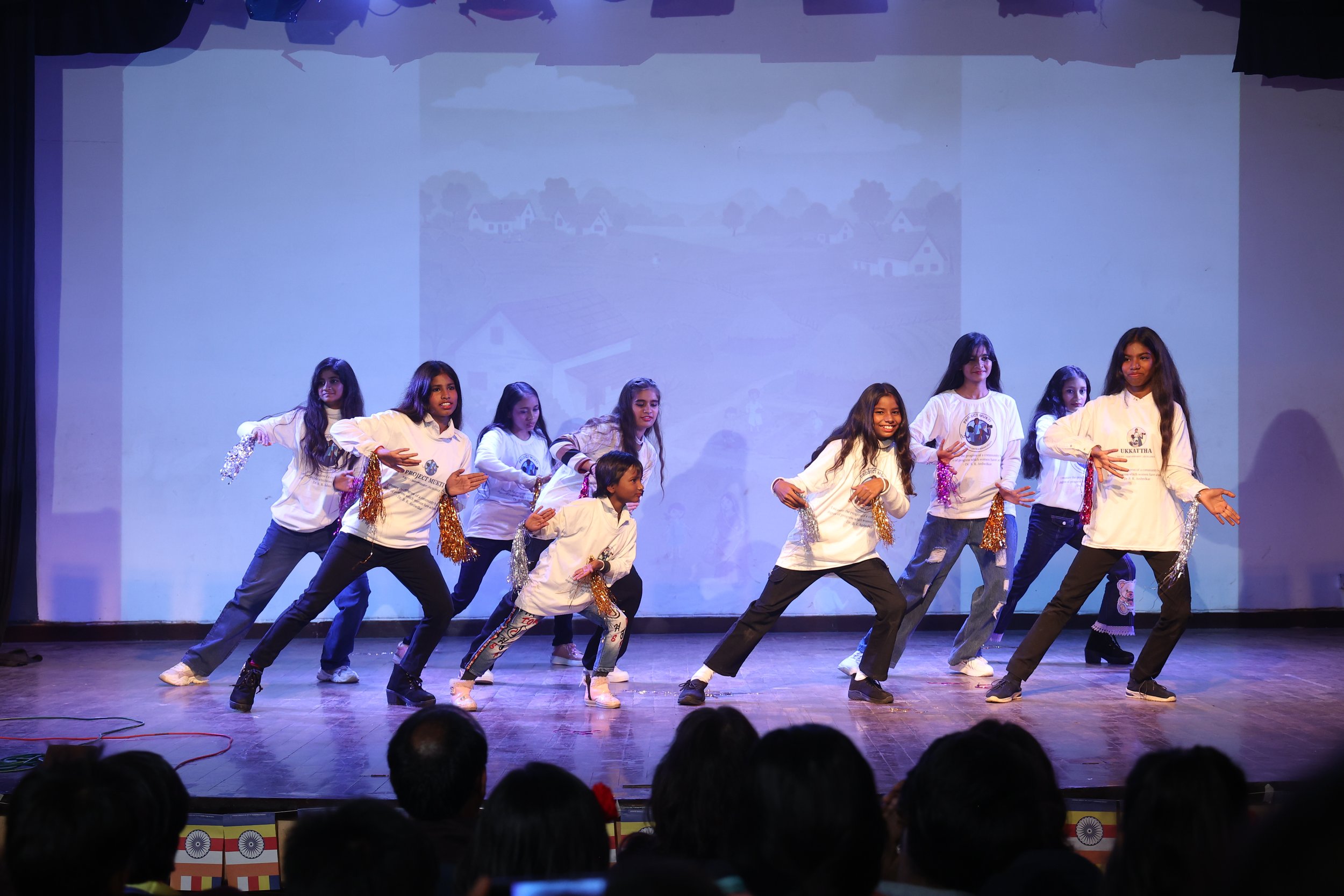
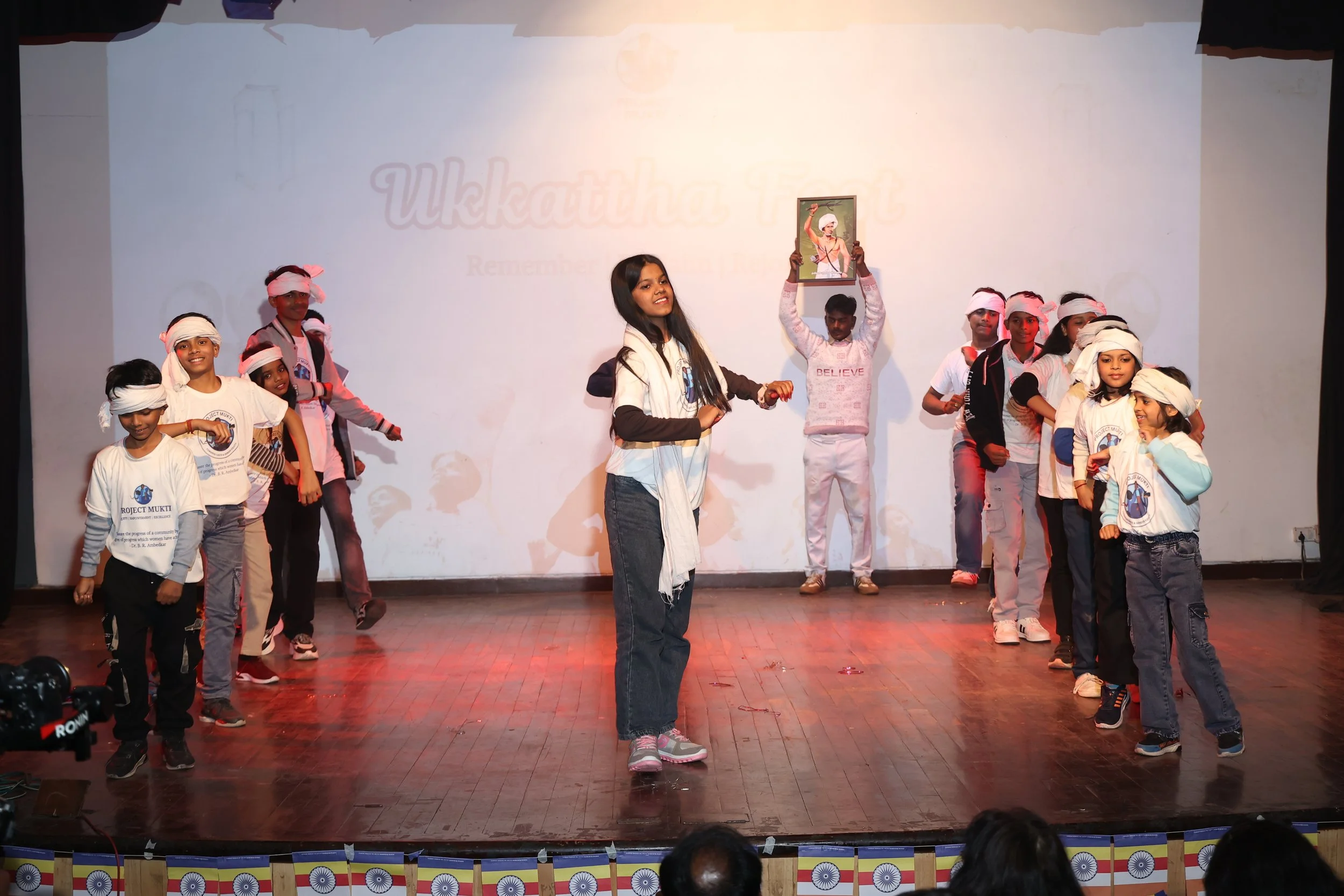
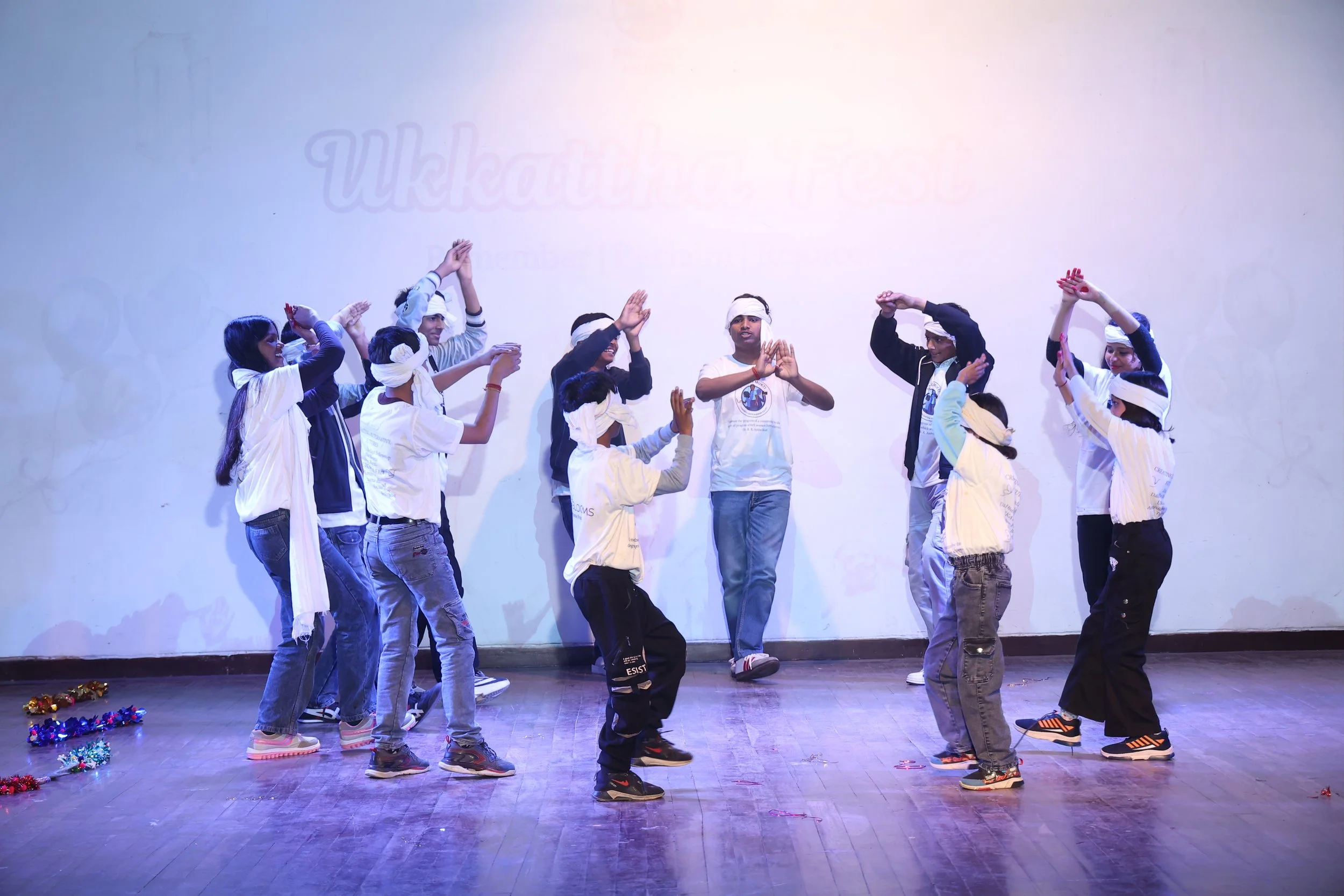
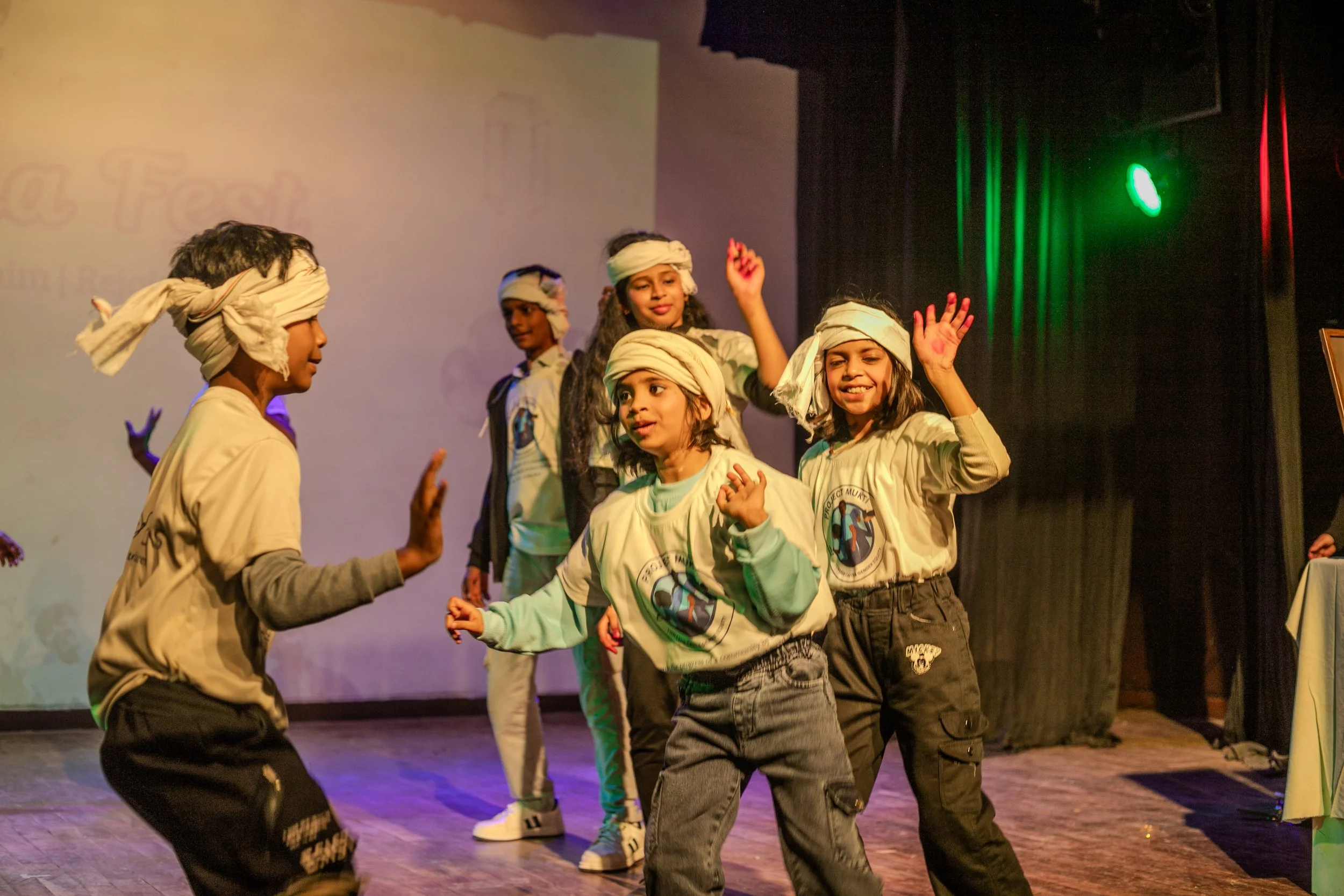
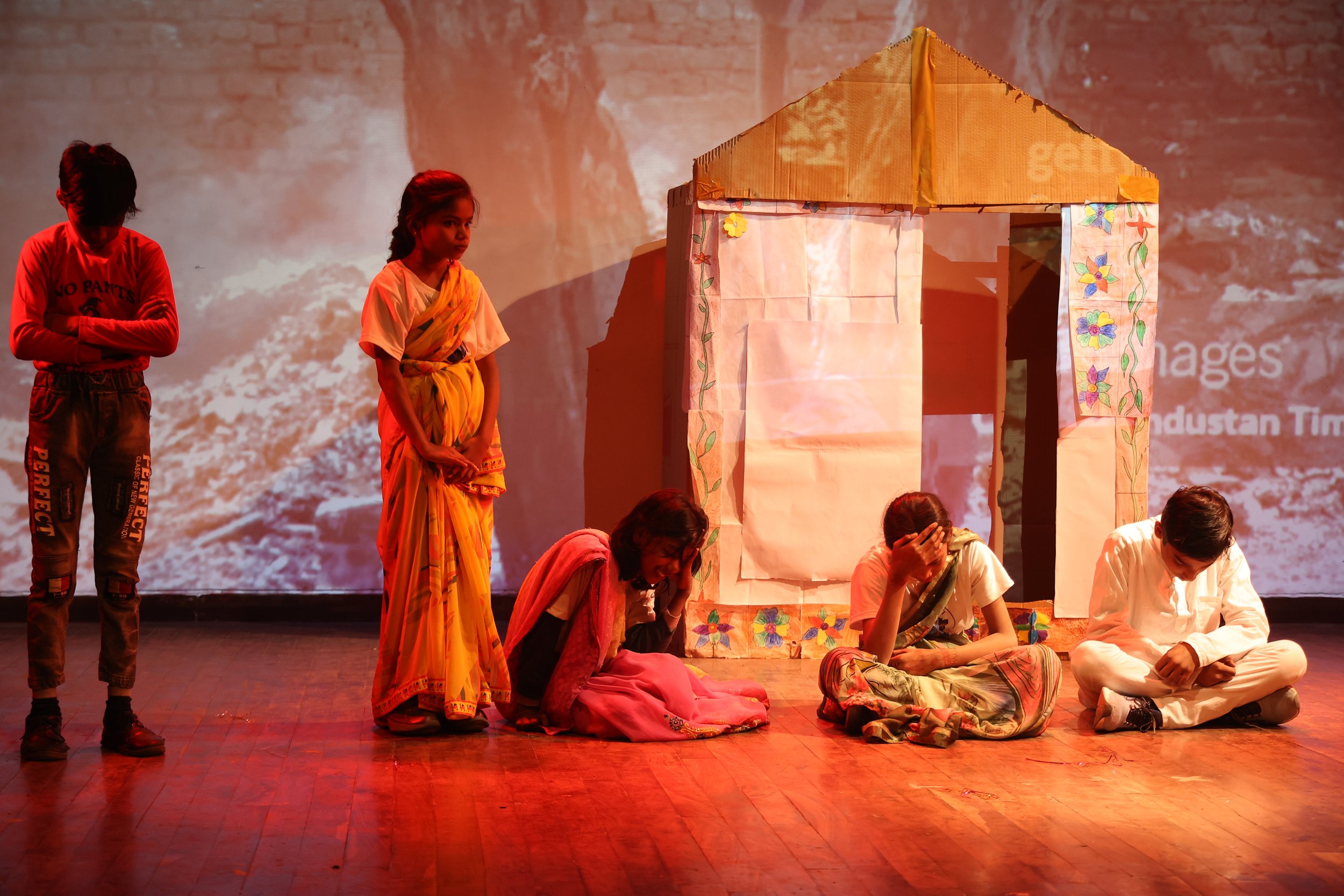
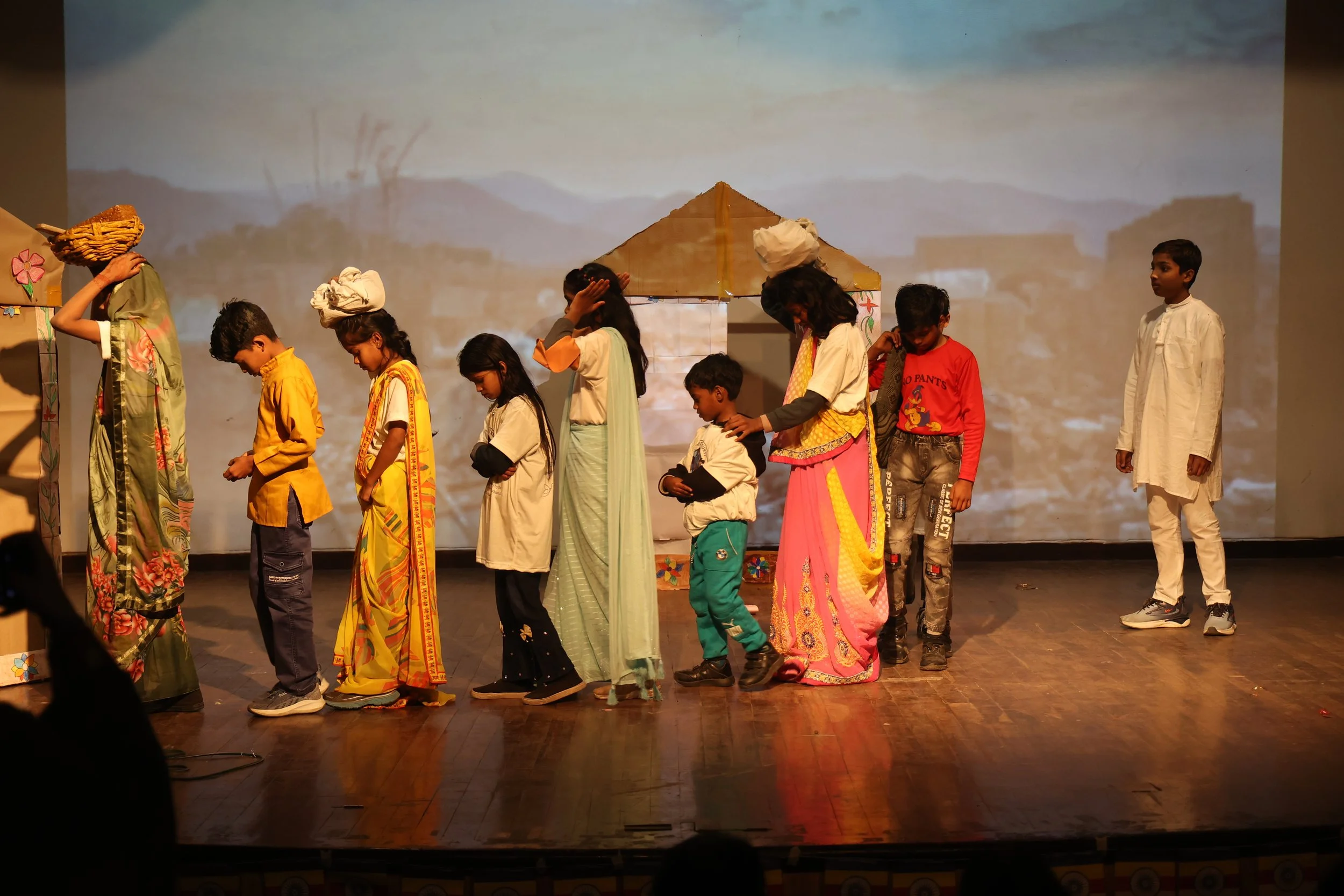
All the performances were cohesive and closely aligned with the event’s theme. The diverse dance pieces creatively conveyed the intertwined realities of celebration and loss associated with land, collectively highlighting inclusivity, resilience, and shared hope for progress. It was followed by a thought-provoking play that highlighted the ongoing struggles around land, how communities continue to be forced to move, and how people disproportionately suffer due to their religious and caste identities. The performance powerfully captured the lived realities of displacement and resistance.
The award ceremony served as an important moment of recognition, where trophies and certificates were awarded to affirm the learner’s sustained effort, growth, and achievements throughout the year.
Key learnings from the event
Scheduling the event on a Sunday would be beneficial, and it would enable greater participation from learners, parents, and community members, making the event more accessible and inclusive.
Incorporating a tea break would create a space for rest, informal interaction, pictures, photo stalls, and reflection.
Limiting the event to a three-hour duration would help maintain participants' attention, reduce fatigue and ensure that it won't be rushed or prolonged.
Limiting the use of props, particularly for theatre performances, would ensure smoother coordination.
Volunteer recruitment should begin at least four months before the event, enabling role clarity and sustained engagement during the preparation phase.
Given the nature of our performances and the expected turnout, it is important to carefully consider structural and logistical aspects while finalising the auditorium.
Way Forward
This year’s Ukkattha reaffirmed our commitment to building spaces that are inclusive, reflective, and rooted in social realities. The graduation of our learners and the launch of the storybook together represent continuity and transformation, honouring past journeys while imagining new futures.

As we move forward, these milestones will guide our work towards strengthening community-led curricula, amplifying marginalised voices, and advocating for educational practices that recognise structural inequality rather than obscuring it. Ukkattha stands as a reminder that when education is grounded in care, justice, and creativity, it becomes a powerful tool for collective change.