Dalit History Month (DHM) Report
Key Events and Community Engagements
Dalit History Month 2026, through Project Mukti, was designed as a series of reflective, educational, and experiential engagements that brought together learning, dialogue, and public memory. The programme moved across multiple sites of knowledge production, online classrooms, collaborative partnerships, and public commemorative spaces, to foreground questions of caste, representation, health, and constitutional justice. Rather than treating history as a static archive, the month’s activities emphasised how narratives are produced, contested, and made visible in everyday institutional and social contexts.
Online Reading Session with Young Learners
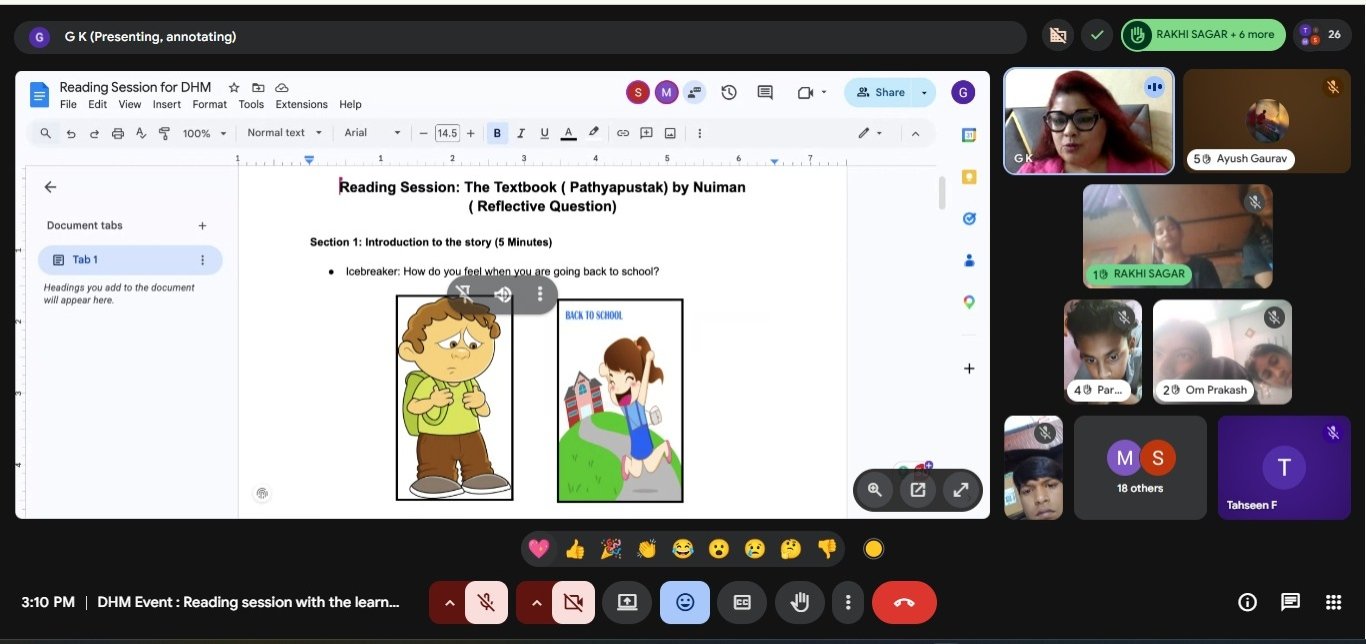
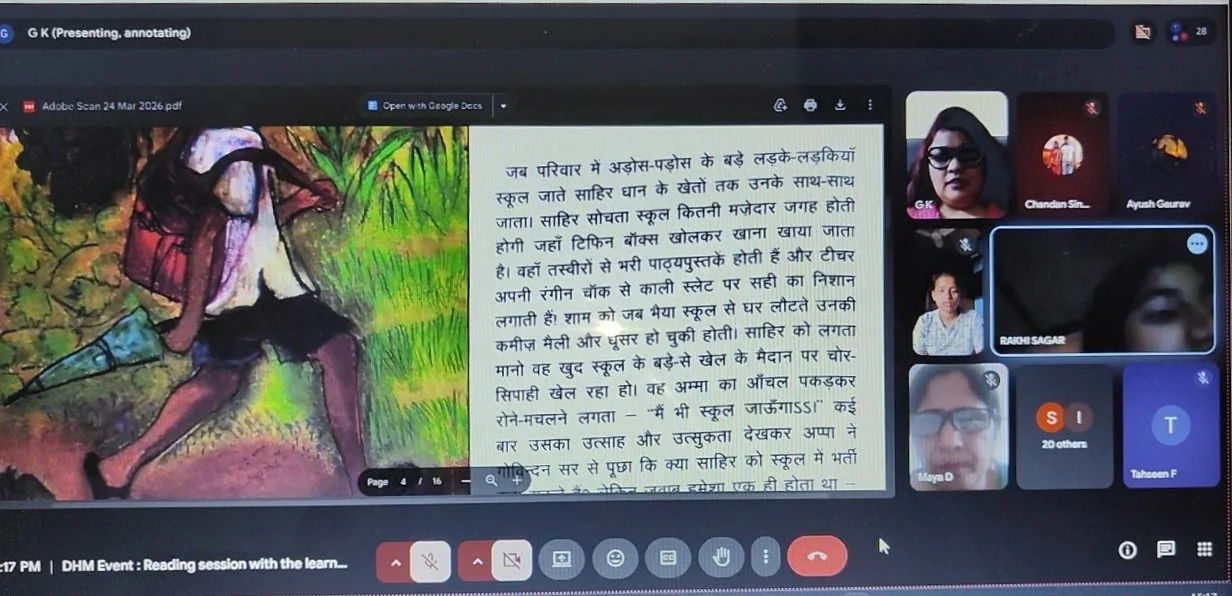
An online reading session was organized on 2nd April 2026 for learners between the ages of 9–15 years. The session focused on Pathyapustak by Nuaiman, a story that critically examines, through the perspective of a child, the exclusion and invisibilization of marginalized communities’ histories and experiences within school textbooks and formal education.
The discussion encouraged learners to reflect on whose stories are included in educational narratives and whose voices remain absent. Through collective reading and conversation, the session created a space for children to engage with questions of representation, caste, identity, and justice in accessible ways, while also fostering critical thinking around the social role of education and curriculum.
2. Ambedkar Jayanti Parliament Visit
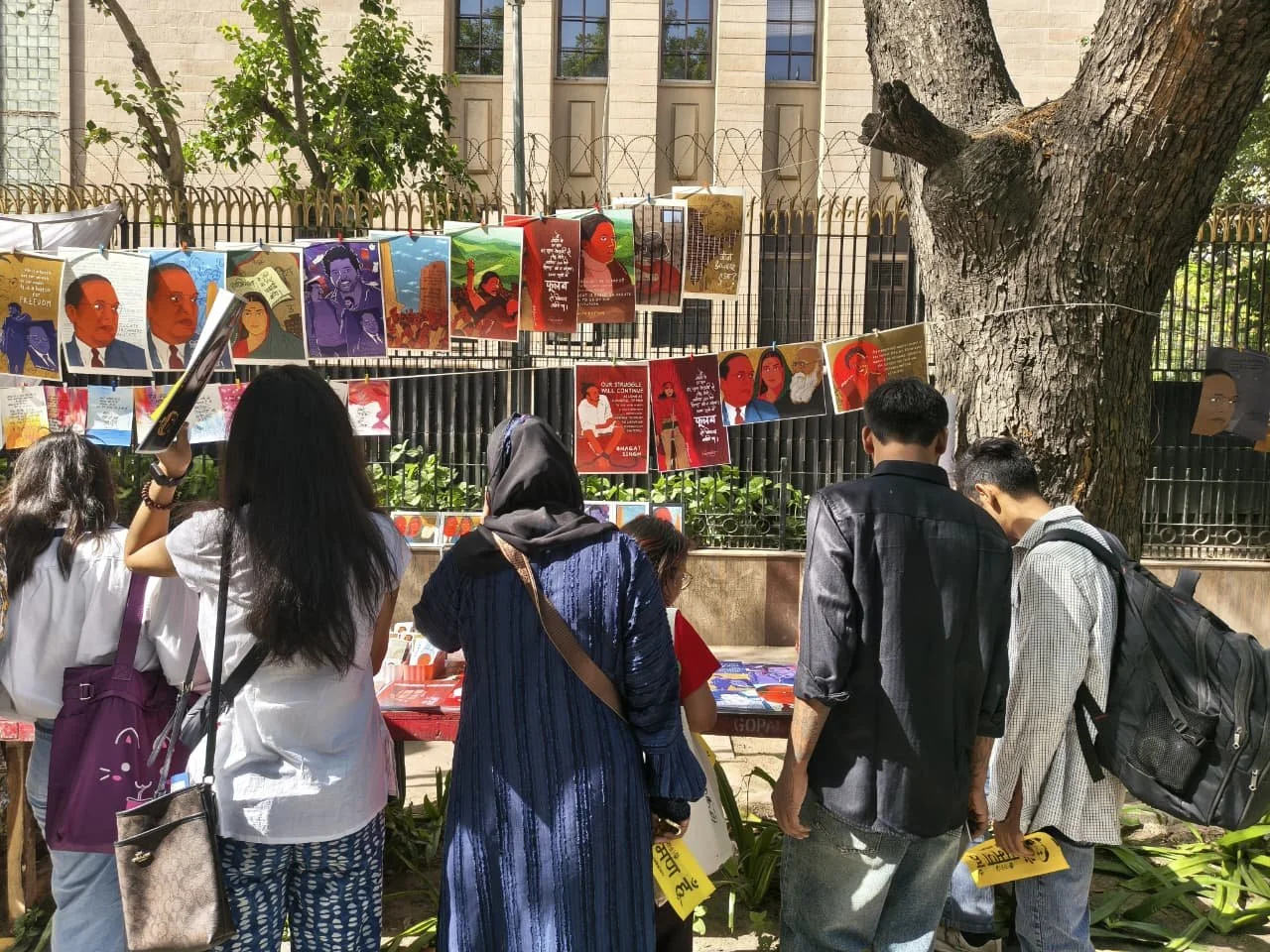
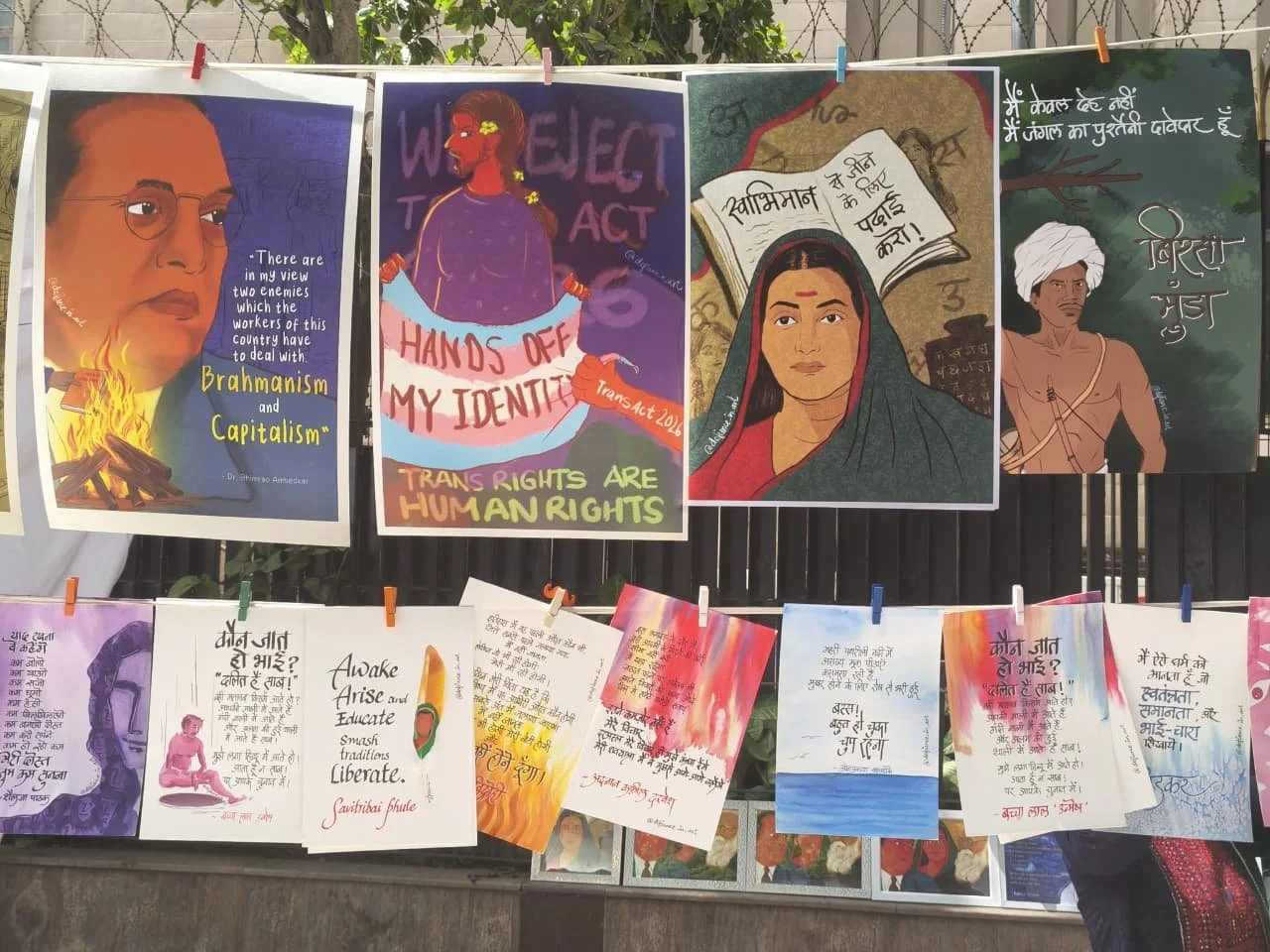
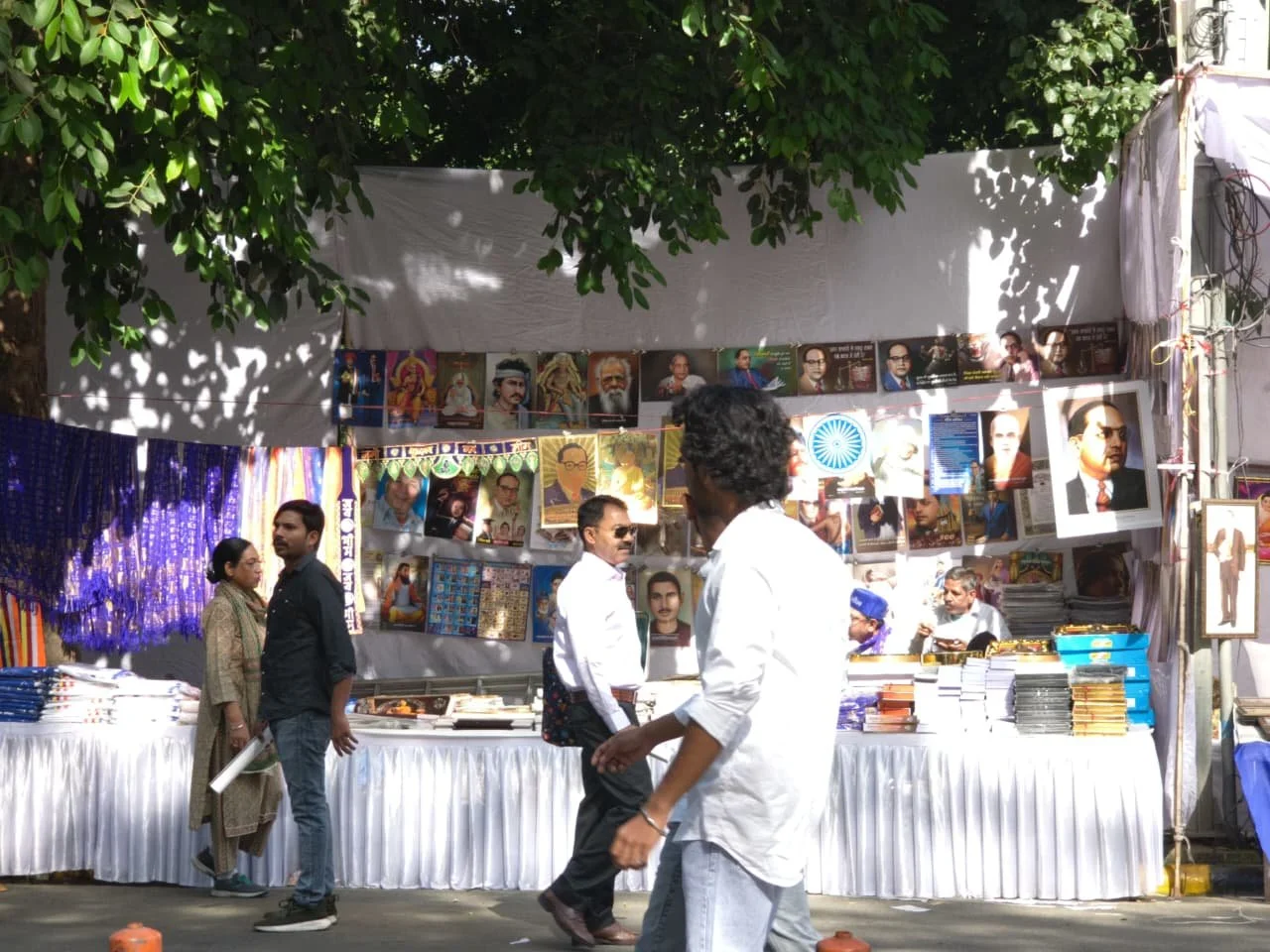
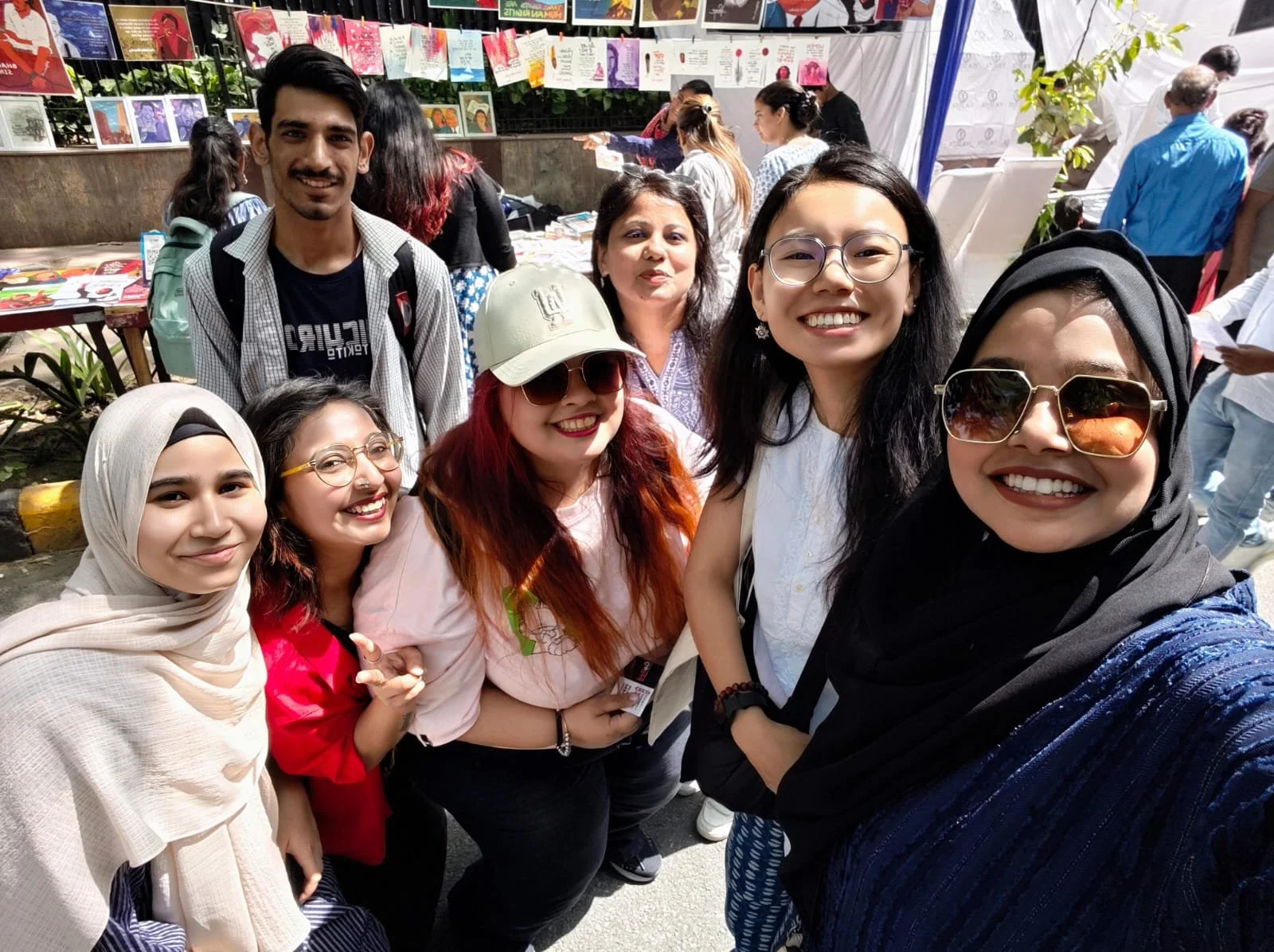
Every year, on 14th April, thousands of people visit the statue of Babasaheb Ambedkar located in the Parliament premises to mark Ambedkar Jayanti. This year, our team’s collective visit to Parliament Street on 14th April 2026 functioned as a critical experiential learning moment, situated within the broader commemorative practices surrounding Babasaheb Ambedkar’s legacy.
The visit offered an opportunity to observe how public memory is performed in urban political spaces, where symbolism, gathering, and ritual intersect with ideas of justice, citizenship, and constitutional morality. Engaging with the site allowed the team to reflect on Dr. B.R. Ambedkar’s continuing relevance in contemporary struggles around equality and representation, while also situating Dalit History Month within lived public histories rather than only text- based narratives.
3. Collaboration with The YP Foundation
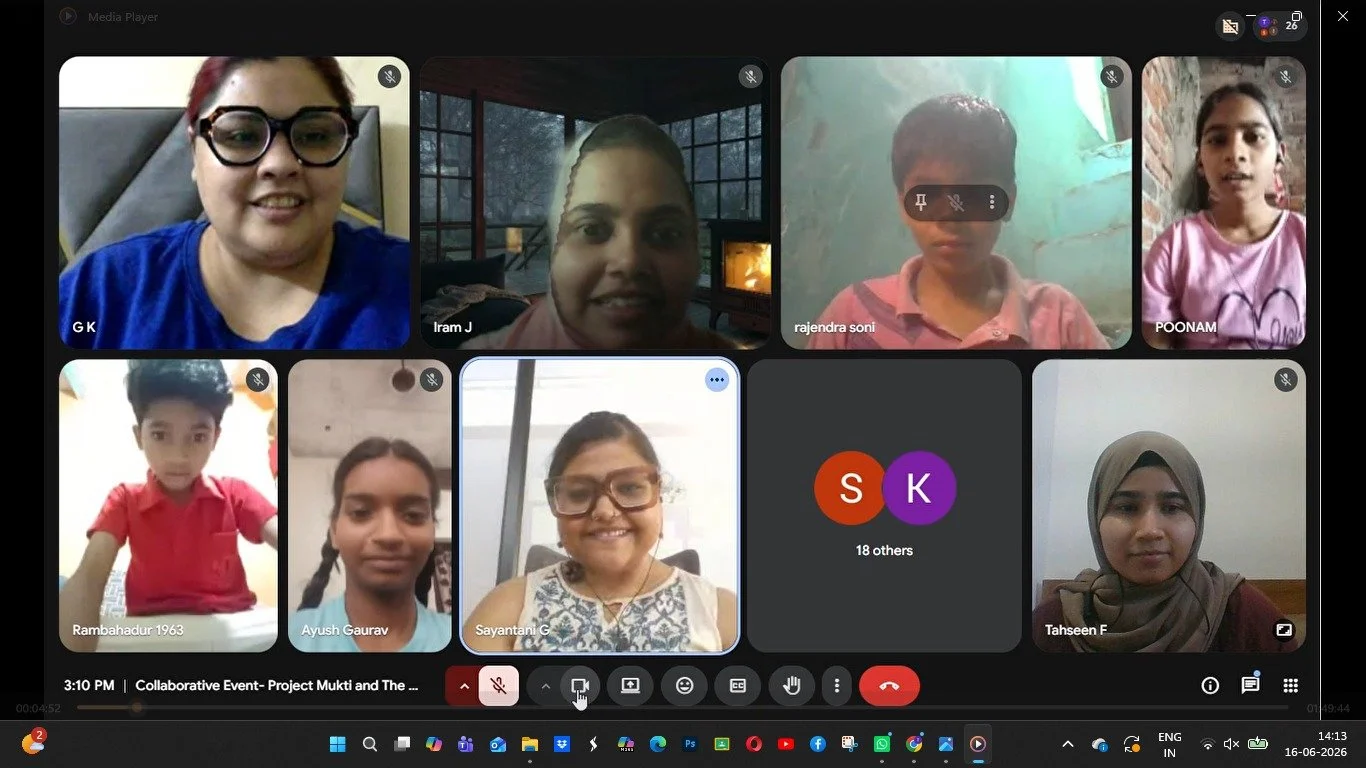
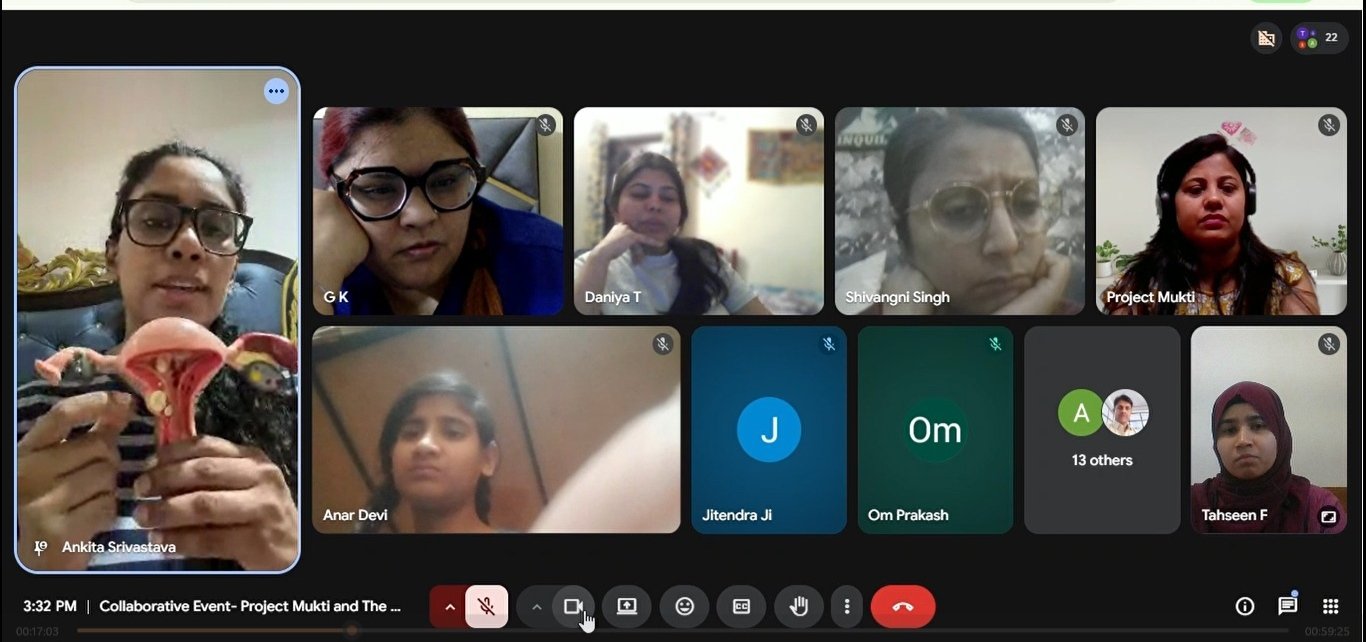
As part of the Dalit History Month 2026 initiatives, Project Mukti collaborated with The YP Foundation to organise an online session on Reproductive Health for learners aged 12–16 years. Conducted over two days between 21st April and 22nd April 2026, the session aimed to create an informed, safe, and inclusive space for adolescents to engage with questions related to bodily changes, menstrual health, and hygiene.
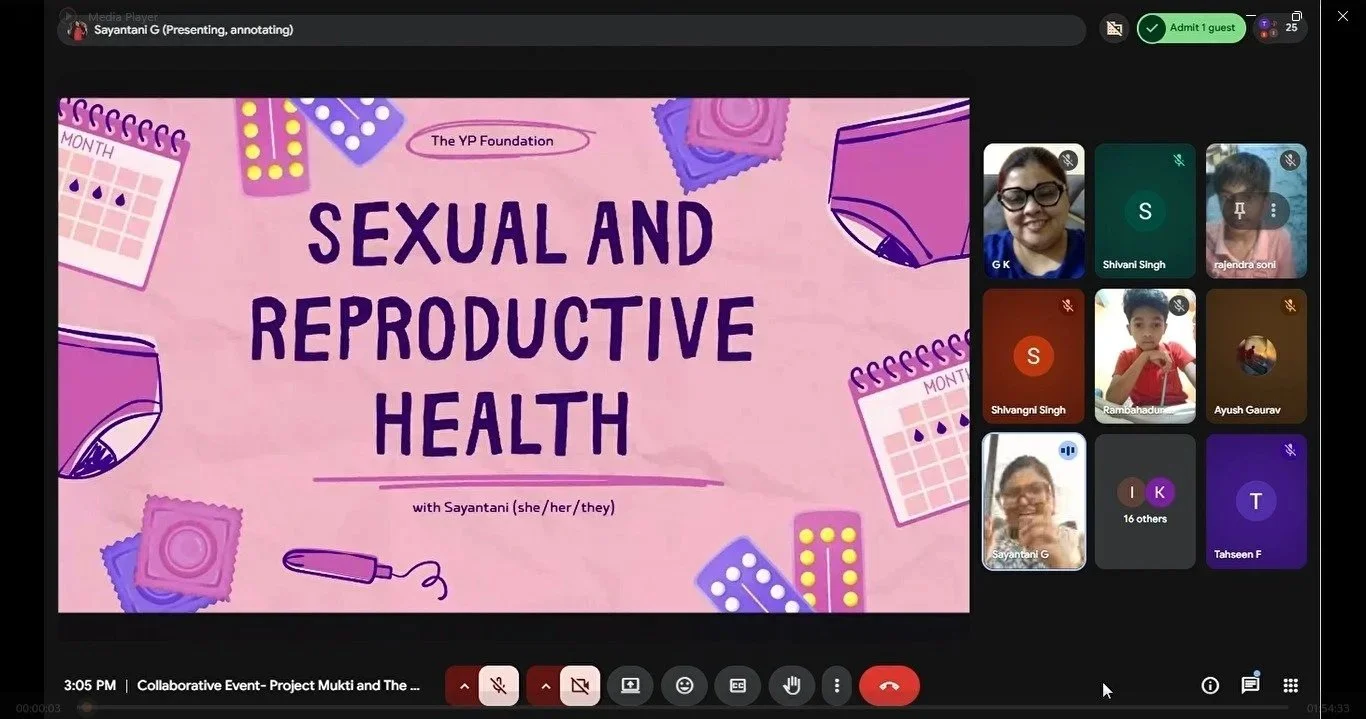
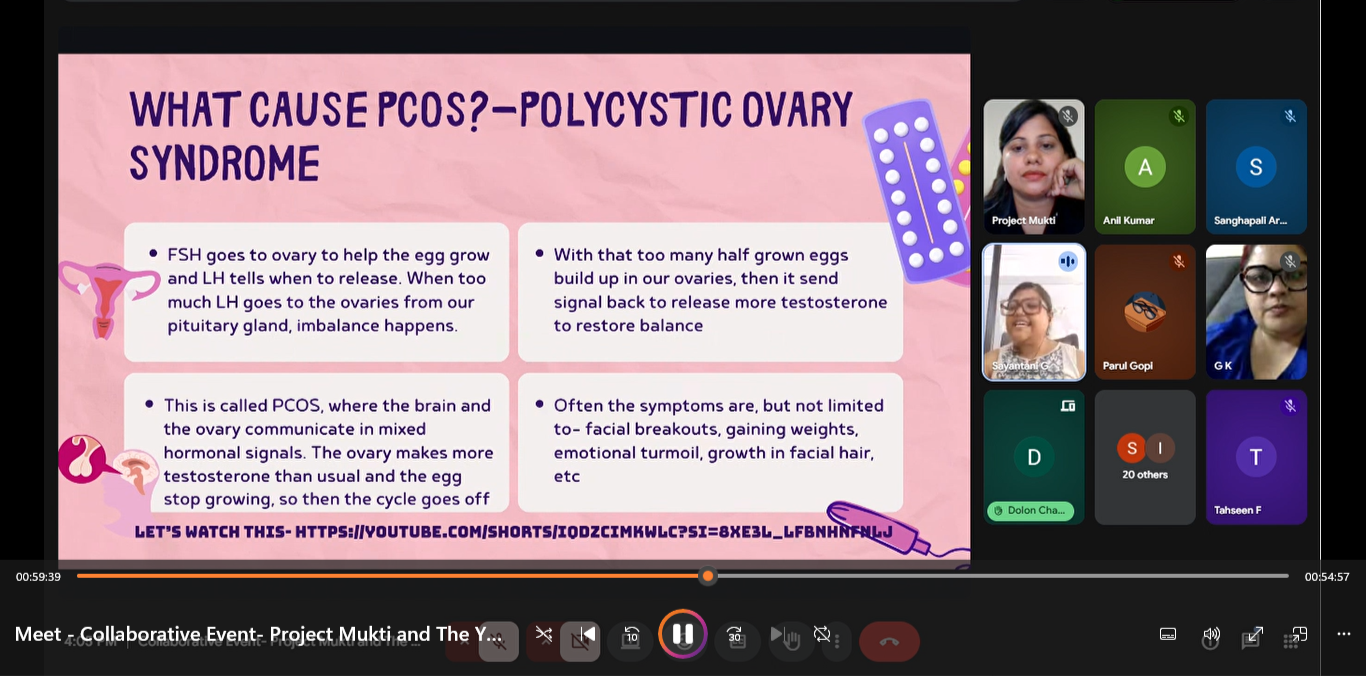
Dr Ankita Srivastava and Ms Sayantani facilitated the sessions. Ms Sayantani facilitated an open dialogue on menstruation, helping learners understand how periods occur monthly and introducing key biological concepts, including follicle-stimulating hormone (FSH) and luteinizing hormone (LH), to strengthen their scientific understanding of the menstrual cycle. The Transgender Bill was also briefly touched upon. Dr Ankita conducted a detailed session on women’s health, focusing primarily on menstruation and explaining the biological process of the menstrual cycle in an accessible and learner-friendly manner. She introduced Polycystic Ovary Syndrome (PCOS), detailing its symptoms, causes, and implications for menstrual health.
Overall, the sessions focused on building foundational awareness of the biology of menstrual health through interactive and age-appropriate engagement.
4. Screen Printing and Cyanotype Workshop at Lodhi garden
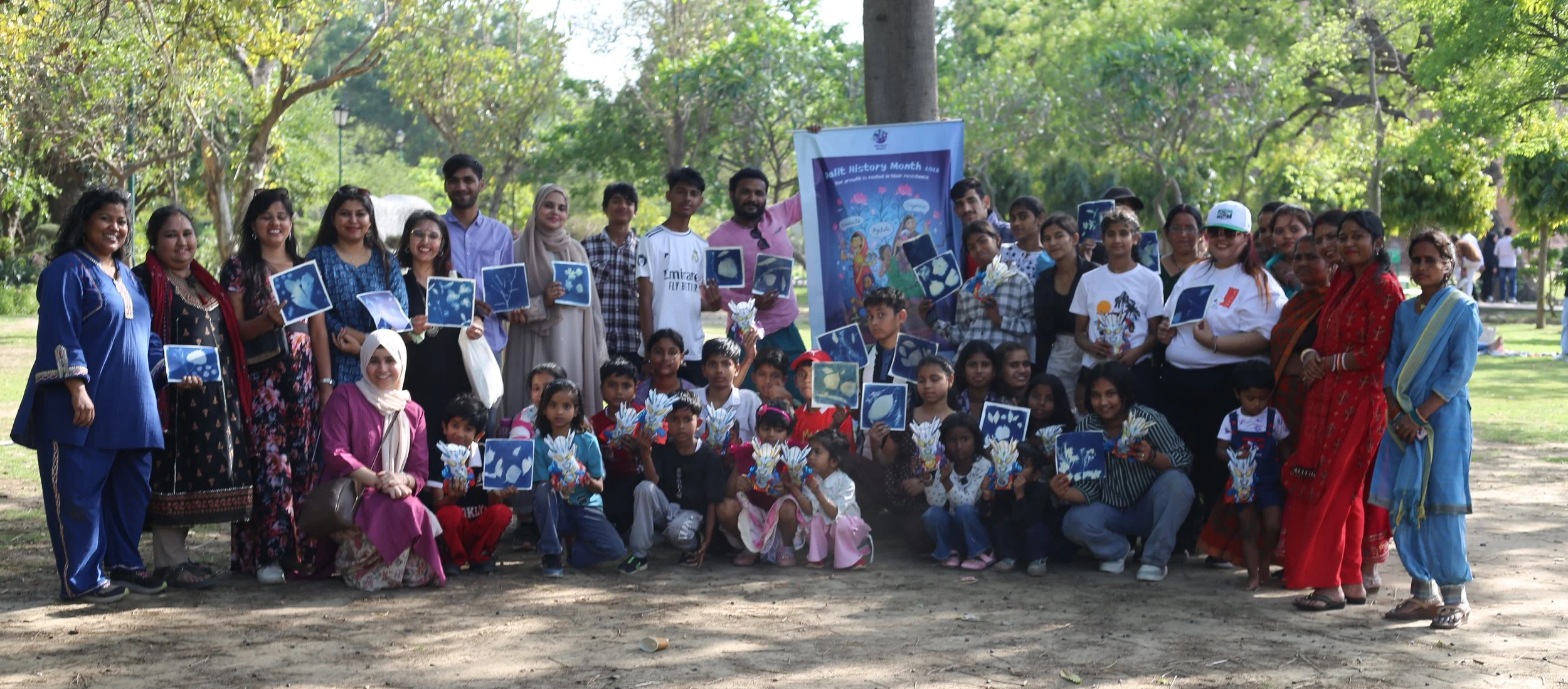
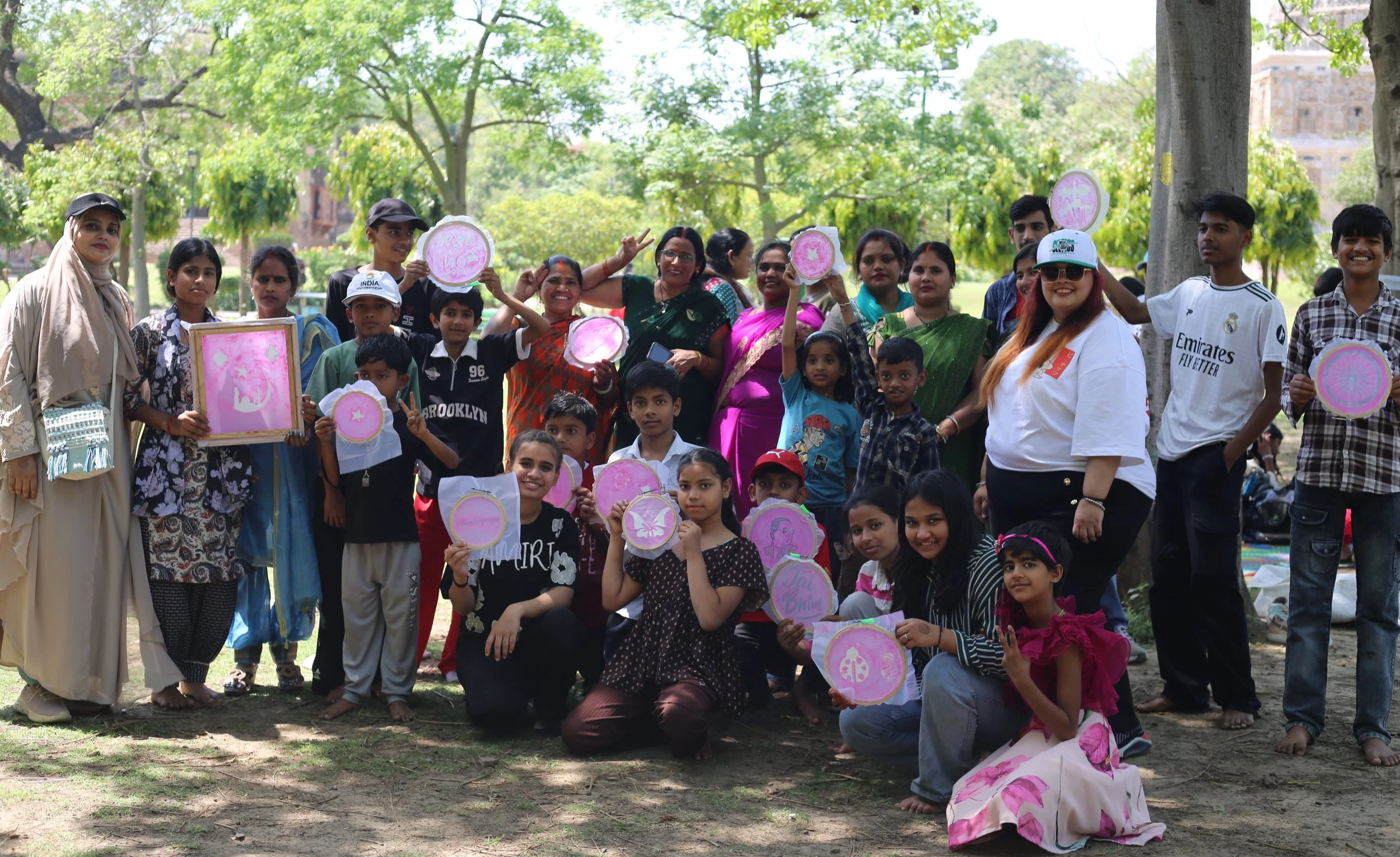
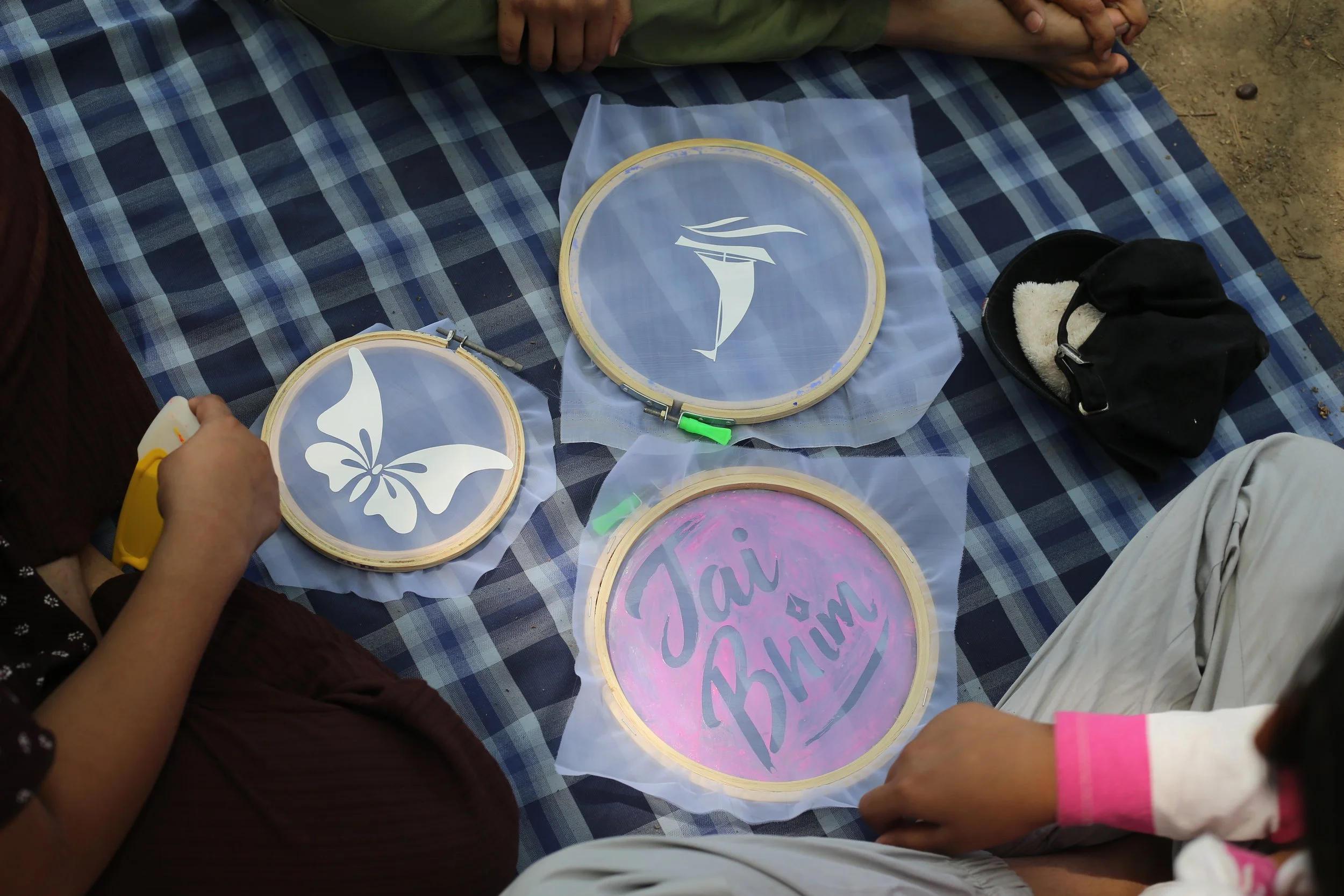
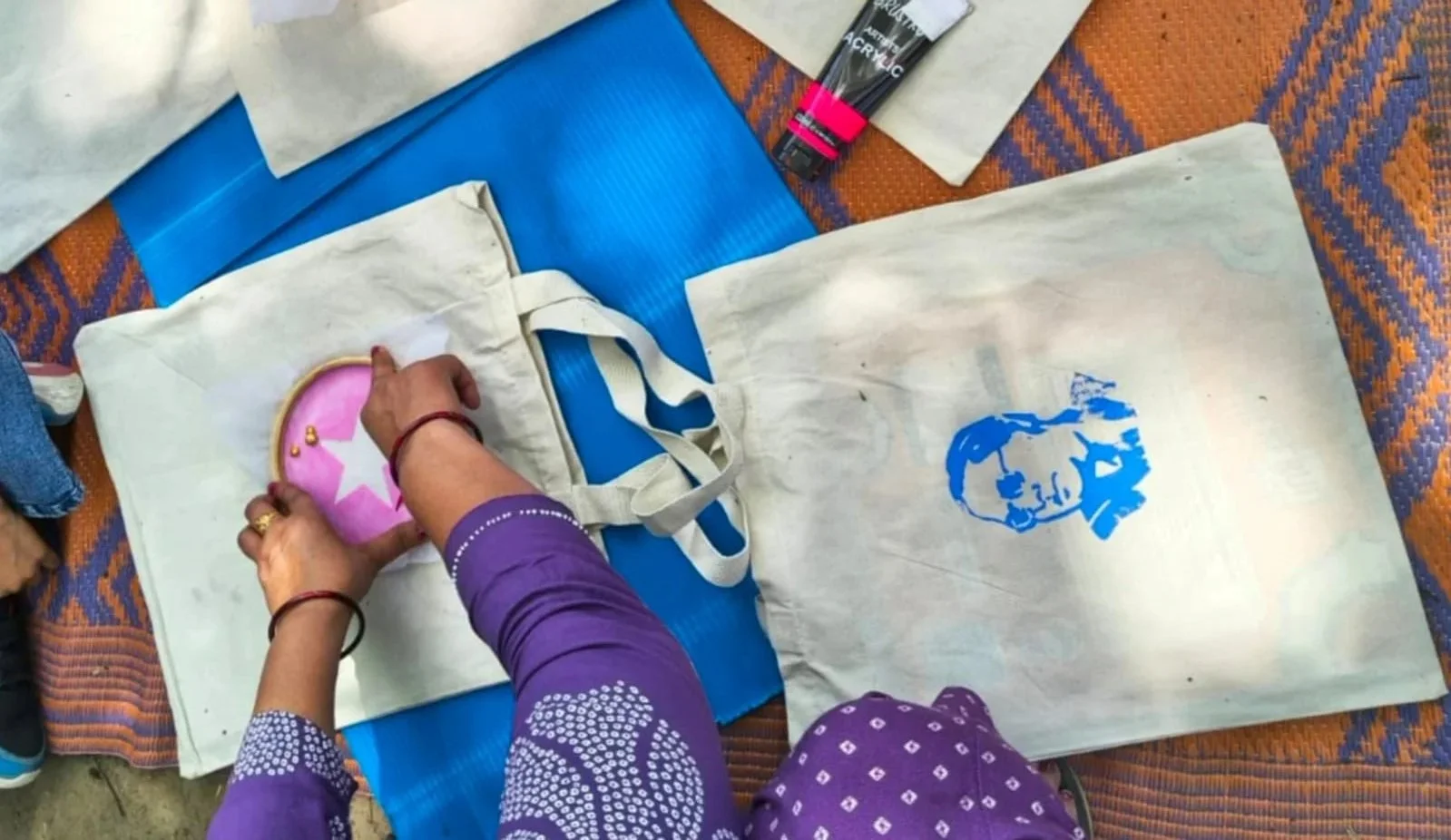
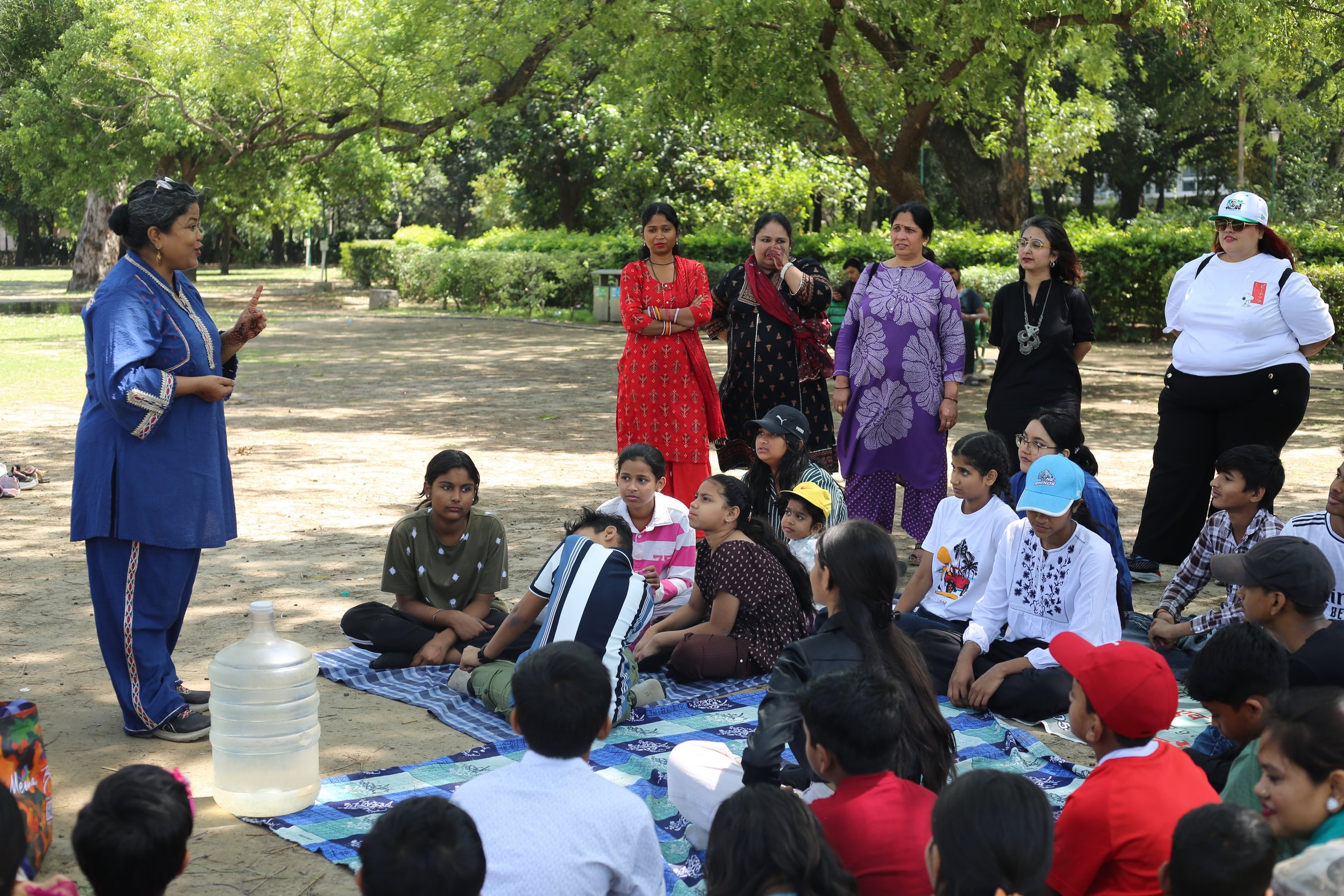
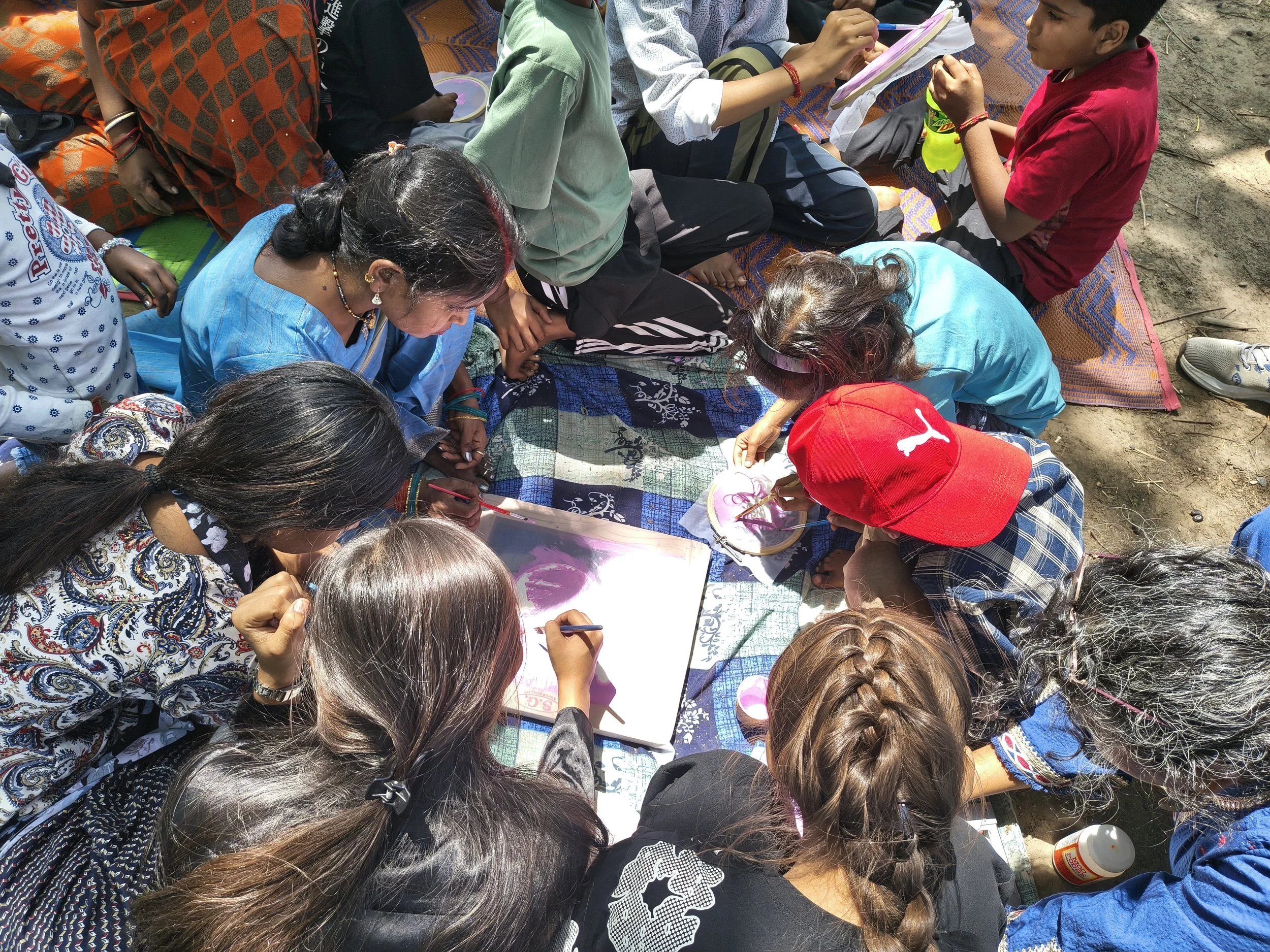
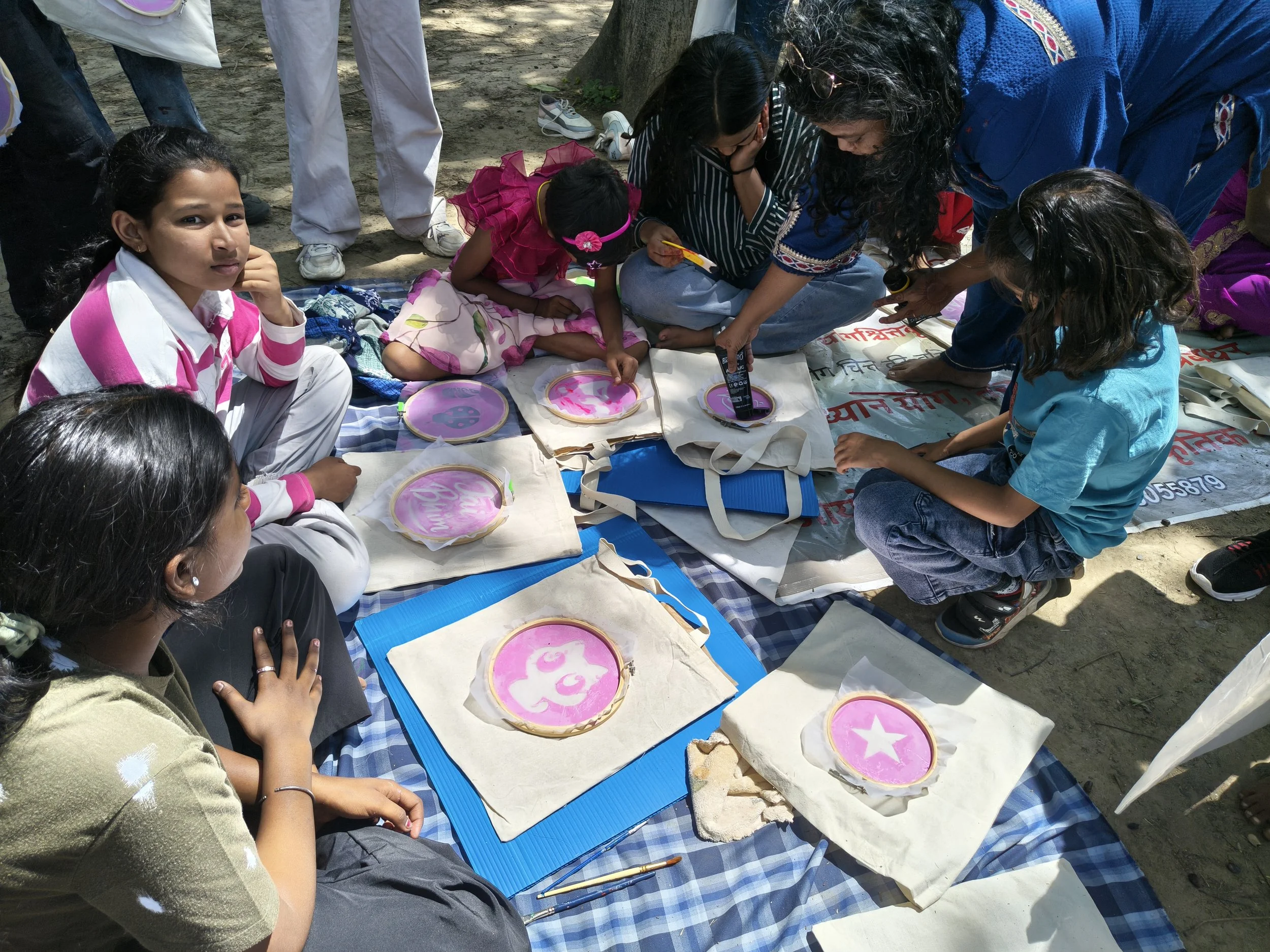
As part of Dalit History Month, we organized a Screen Printing and Cyanotype Workshop for our young learners, their parents, and community members. The workshop provided participants with an opportunity to learn hands-on artistic techniques while exploring creativity, self-expression, and storytelling through visual art.
Beyond skill-building, the workshop encouraged participants to view art as a tool for healing, reflection, and community connection. Discussions also focused on the potential of creative practices to generate livelihood opportunities, inspiring participants to think about how artistic skills could be transformed into small business ventures and sustainable sources of income.
5. Online Wikipedia Edit-a-thon
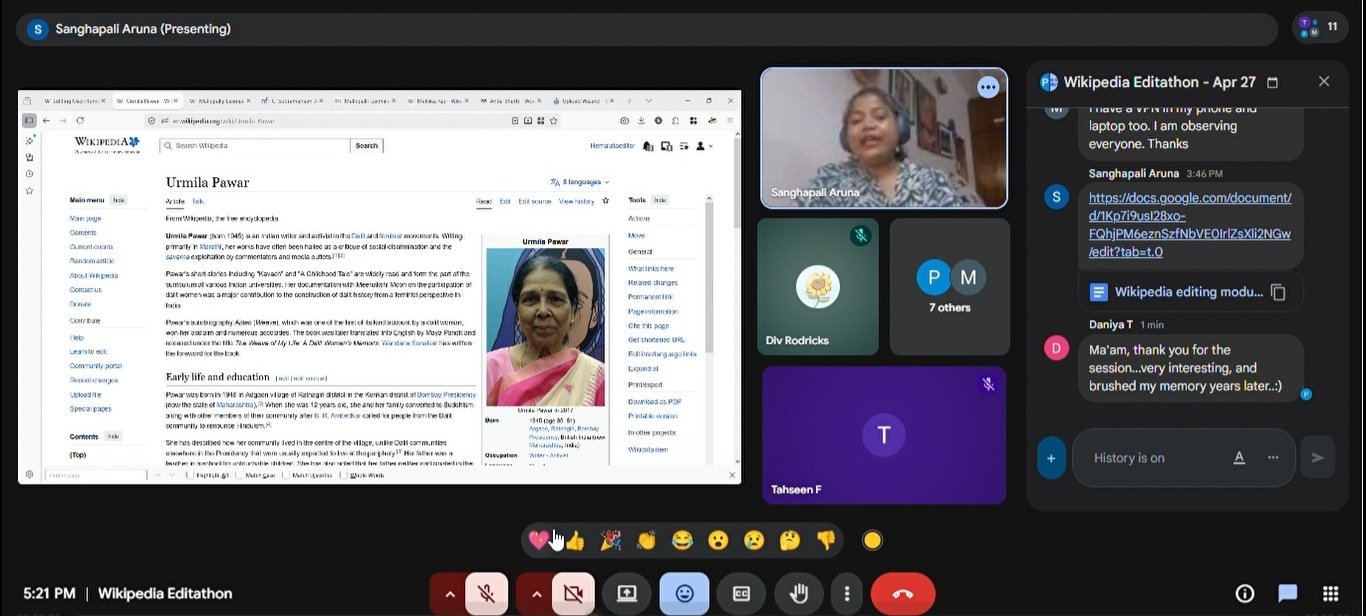
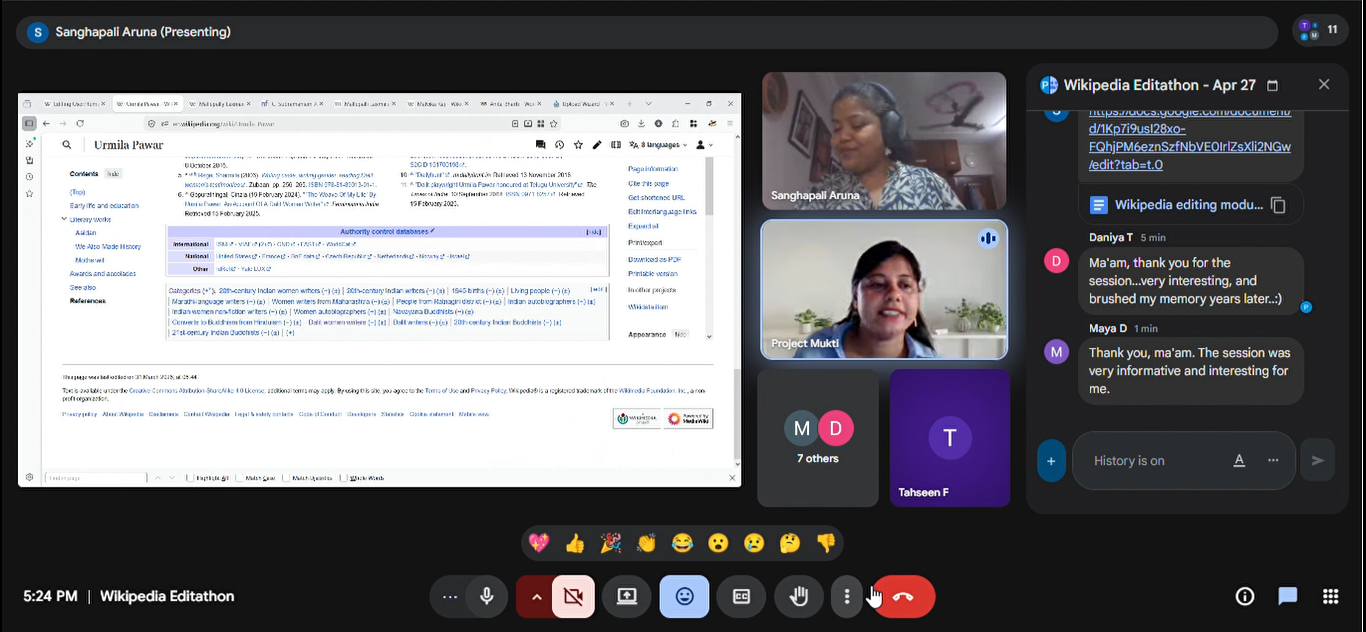
To strengthen community participation in knowledge creation, we hosted a Wikipedia Edit-a-thon for staff members and community participants during Dalit History Month. The session introduced participants to the fundamentals of Wikipedia editing, including research, sourcing, and article creation, while highlighting the importance of accessible and reliable public knowledge.
The Edit-a-thon created a space to critically examine gaps in the representation of marginalized communities and histories online. By equipping participants with the skills to contribute to the world's largest open knowledge platform, the initiative encouraged community-led documentation and amplified voices that have historically been underrepresented in mainstream narratives.